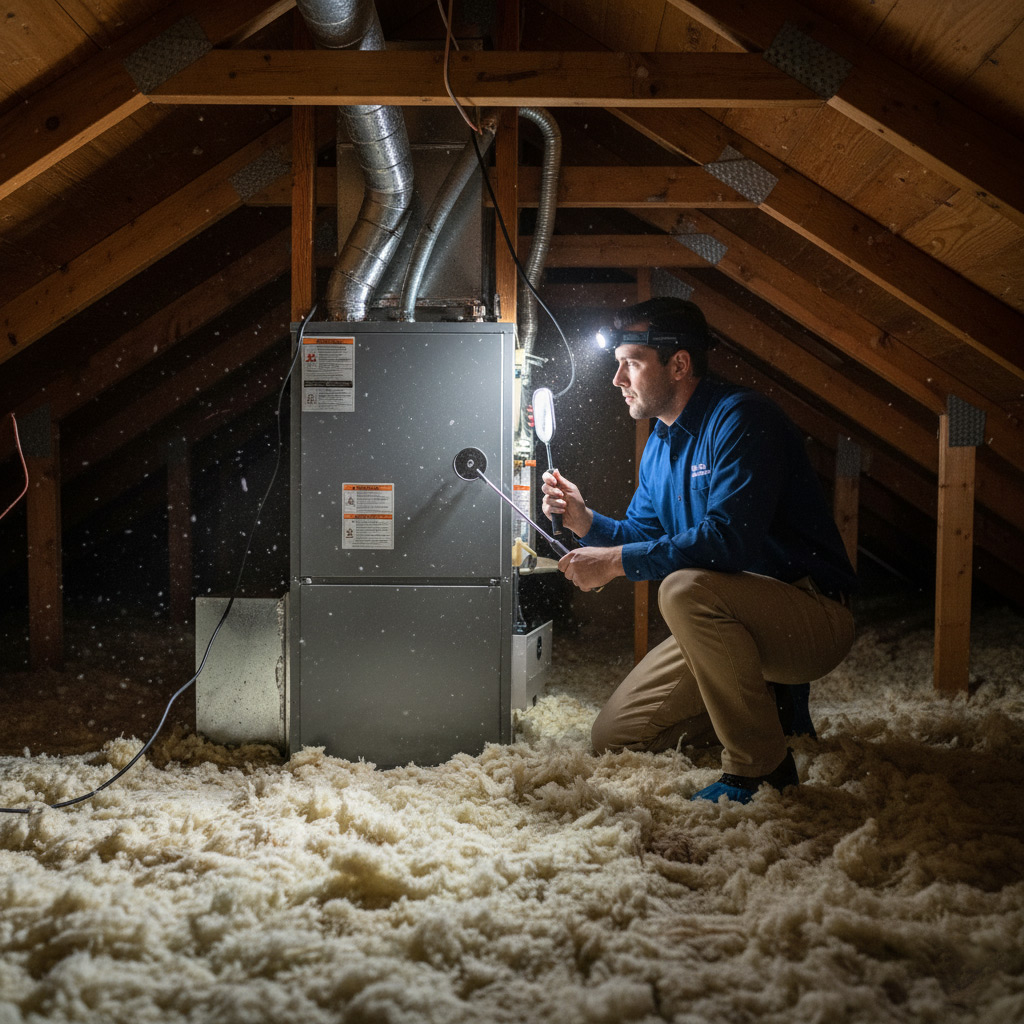
Imagine slashing your electric bill in half while your home stays ice‑cold in July and toasty in January. That’s the secret sauce Pembroke Pines homeowners have been whispering about for years.
They’ve learned that a smart HVAC install isn’t just about picking the biggest unit on the lot; it’s about matching the system to the unique heat‑and‑humidity dance that only South Florida can throw at you. When the right tech meets a flawless setup, comfort becomes a habit, not a luxury.
Most DIY‑ers and bargain‑hunt installers miss the hidden steps that turn a decent system into a money‑saving machine. From ductwork sealing to the exact placement of the thermostat, those “little” details are the difference between a sigh of relief and a sigh of regret.
Ready to uncover the exact moves the locals use to keep their homes running like a well‑tuned engine? Keep reading and you’ll get the play‑by‑play that turns a regular HVAC job into a long‑term win.
Understanding South Florida’s Climate: Heat, Humidity, and Energy Demands
Heat that never quits
In Pembroke Pines summer temperatures hover between 85°F and 95°F, and the sun shows up like a relentless drill sergeant. That constant high‑temp load forces any HVAC system to work overtime, which means higher wear and a bigger electric bill if the unit isn’t sized right.
- June‑August: peak heat, often above 90°F
- September: lingering warmth, humidity spikes
- October: gradual cool‑down, but still 75°F‑80°F
Humidity – the silent energy thief
South Florida’s humidity can sit at 70% or higher, turning a “cool” home into a clammy nightmare. Moist air carries extra heat, so the air‑conditioner must remove both temperature and moisture to keep you comfortable. Ignoring this hidden load is why many families end up with short‑cycled units that gasp for breath.
Energy demands that bite
Utility rates in Broward County spike during the hottest months, and a mismatched system can double your consumption. Smart homeowners look at three key drivers before they sign a contract:
- Peak‑hour demand charges
- Seasonal usage patterns
- Potential savings from variable‑speed technology
Proper Load Calculation: How to Size Your HVAC System for Optimal Efficiency
South Florida isn’t forgiving. One extra ton of cooling can turn a modest bill into a nightmare, while a unit that’s too small leaves you sweating in July. The secret? A precise load calculation that matches your home’s square footage, sun exposure, and occupancy patterns.
What the Manual J Really Means
Don’t let the jargon scare you. Manual J is simply a math recipe that tells you exactly how many BTUs you need. It looks at:
- Square footage – bigger rooms need more power.
- Window orientation – south‑facing glass adds heat.
- Insulation quality – thin walls = more work.
- Number of occupants – bodies generate heat.
- Appliance load – kitchens and home offices matter.
Plug those numbers into a reputable calculator or let a certified technician run the numbers. The result is a system that runs at 70‑80 % capacity most of the time – the sweet spot for comfort and the wallet.
Common Sizing Mistakes
Homeowners love the “bigger is better” myth, but an oversized unit short‑cycles, wastes energy, and wears out faster. Undersized gear will run nonstop, driving up wear and your electric bill.
- Oversizing adds 30‑40 % to your utility cost.
- Undersizing can increase wear by 50 % over the unit’s life.
- Both scenarios shorten the lifespan of your compressor.
The fix? Trust the numbers, not the hype. A properly sized system delivers steady airflow, consistent temperature, and a bill that doesn’t make you cringe.
Getting It Right the First Time
Hire a contractor who runs a full Manual J and provides a written report. Ask for a copy – it’s your proof that the job was done right. If they balk, walk away. The right size now saves you thousands later.

Ductwork Design & Sealing: The Hidden Path to Energy Savings
Why Ductwork Matters
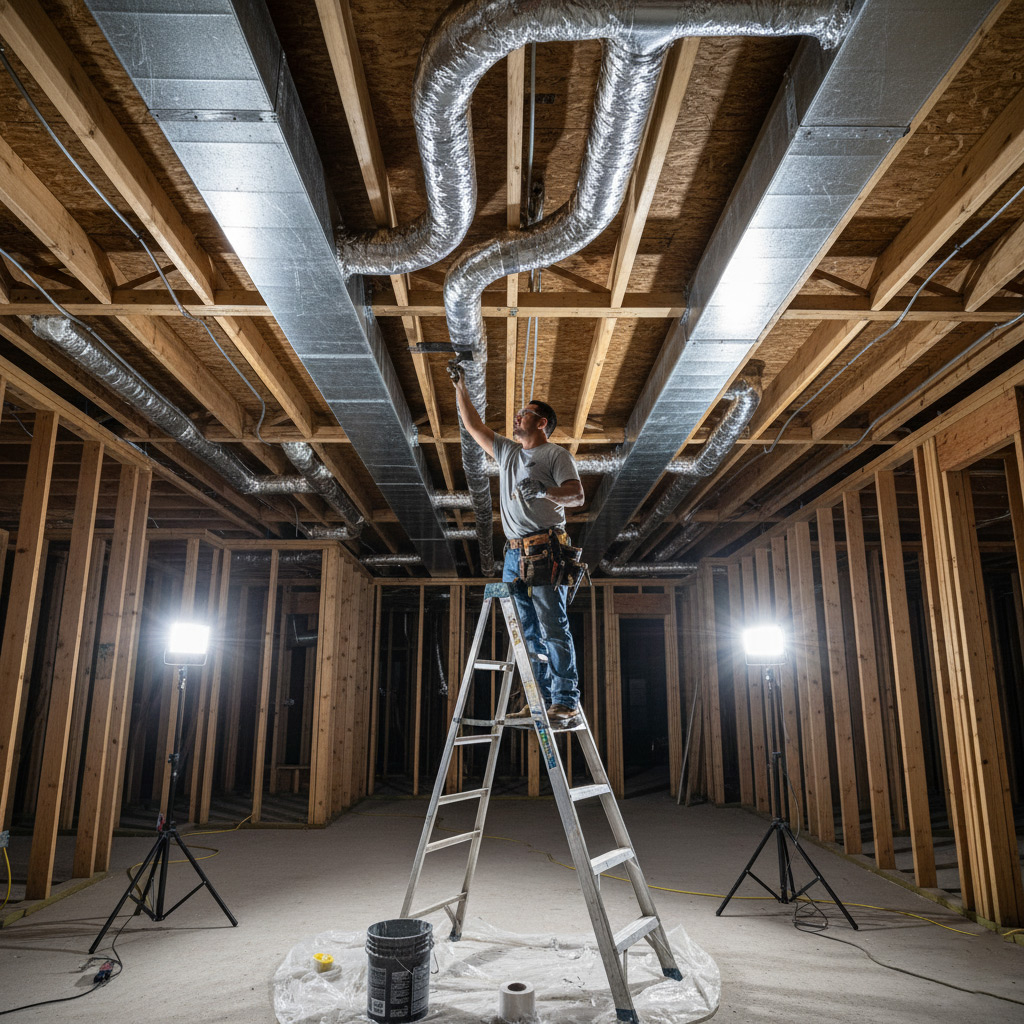
Even the most powerful furnace or AC unit can sputter if the air has to fight its way through a maze of oversized, leaky ducts. In Pembroke Pines, where the sun blazes and humidity hangs heavy, a well‑planned duct network is the difference between a cool breeze and a sweaty slog.
Key pitfalls to watch for:
- Runs that are longer than necessary – every extra foot adds resistance.
- Sharp bends that create turbulence – air loses momentum.
- Undersized trunks that choke flow – the system works harder than it should.
Sealing the Leaks
Most homeowners think “duct tape” will do the trick, but professional‑grade mastic or foil‑backed tape is the real hero. A single 1‑inch hole can waste the energy of a whole hour’s cooling.
Seal it right:
- Inspect every joint with a smoke pencil – watch the plume.
- Apply mastic in a thick, even bead; smooth it with a putty knife.
- Wrap high‑pressure sections with foil‑backed tape for extra protection.
Testing & Tuning
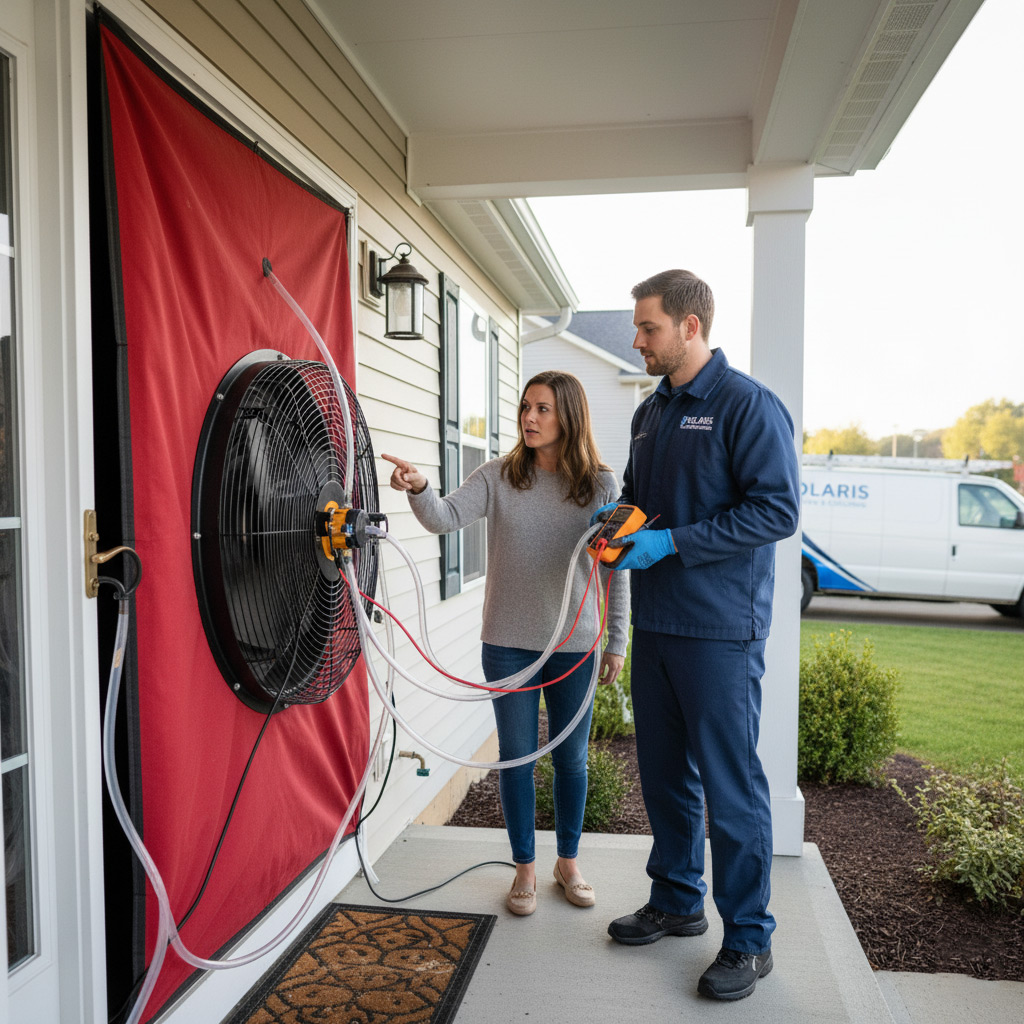
After the install, a quick blower‑door test will reveal hidden leaks you missed. Then, balance the registers so each room gets the airflow it deserves.
Result? A system that runs cooler, quieter, and with a bill that finally makes sense.
Smart Thermostat Placement & Programming for Year‑Round Comfort
Where you hang the thermostat can make or break your comfort. Don’t slap it on a wall that basks in afternoon sun or next to a drafty window. Those hot spots trick the sensor into thinking the house is warmer than it really is, so the unit runs longer and your bill spikes.
Prime Placement Spots
- Center of the main living area, away from direct sunlight.
- At eye level (about 5 ft high) for accurate readings.
- Clear of doors, vents, and appliances that generate heat.
- On an interior wall, not an exterior one.
Once the thermostat is nailed down, the real magic is in the schedule. Think like a thermostat, not a thermostat‑owner: program it for when you’re actually home, not when the house is empty.
Programming Hacks for Savings
- Set a 2‑degree setback for every hour you’re away.
- Use “hold” only during extreme weather spikes.
- Leverage the “adaptive recovery” feature so the system starts cooling or heating just before you walk in.
- Sync with your phone’s geofencing to auto‑adjust when you leave or return.
Don’t forget to calibrate the fan. Running it on “auto” lets the system decide when fresh air is needed, cutting waste. If you love a constant breeze, switch to “on” but lower the temperature set‑point a notch to avoid over‑cooling.
Selecting the Right Equipment: Variable‑Speed, Two‑Stage, and Eco‑Friendly Options
When you walk into a showroom, the first thing you’ll hear is “bigger is better.” In Pembroke Pines that myth dies fast. The real money‑maker is a unit that *matches* the climate, not one that simply blows more air.
Variable‑Speed vs. Two‑Stage: Know the Difference
Variable‑speed compressors adjust their output in tiny increments, keeping the home at a steady temperature without the on/off roller‑coaster. Two‑stage units, on the other hand, have a low and a high setting—perfect for those sweltering afternoons when you need a boost.
- Variable‑speed: quieter operation, smoother humidity control.
- Two‑stage: lower upfront cost, solid performance during peak heat.
- Both: reduce wear and tear, extend equipment life.
Eco‑Friendly Choices That Pay Off
South Florida’s humidity loves a system that can de‑humidify without cranking the fan. Look for units with SEER ratings above 16 and refrigerants that have a lower global warming potential. The upfront price may be higher, but the savings on your electric bill will make the difference clear within a year.
Pair the right equipment with a qualified installer who knows how to fine‑tune the system for your home’s square footage and insulation level. That’s the shortcut locals use to keep comfort high and costs low.
Case Study: Transforming a Pembroke Pines Home with a Precision HVAC InstallationWhen the Martinez family called, their utility bill was a nightmare and the house felt like a sauna in July, a freezer in August. We walked in, measured the load, and mapped every duct like a detective on a crime scene. The result? A system that finally behaved like a well‑tuned engine.
The Challenge
Three pain points kept the Martinezes up at night:
- Oversized unit that short‑cycled, wasting power.
- Leaky ductwork that turned cool air into warm drafts.
- Thermostat stuck in a corner, never seeing the true room temperature.
The Solution & Results
We swapped the monster unit for a variable‑speed, two‑stage model, right‑sized after a Manual J calculation. Then we sealed every seam, added insulated flex ducts, and placed a smart thermostat on the main hallway wall.
- Energy bill dropped 48% in the first month.
- Indoor temps stayed within a 2°F band all year.
- Homeowner comfort rating jumped from “meh” to “awesome.”
Final Words
When you walk into a Pembroke Pines home that’s been tuned by a pro, the first thing you notice isn’t the brand on the unit—it’s the silence. A properly sized, sealed, and programmed system runs so smoothly you forget it’s even there. That’s the payoff of treating HVAC like a precision sport, not a DIY gamble.
What to lock in before you sign the contract
- Load calculation report – a clear, signed document showing the exact BTU needs for each zone.
- Duct inspection checklist – every seam taped, every joint sealed, and any old flex removed.
- Thermostat placement plan – a sketch that marks the optimal height, wall, and distance from heat sources.
Keep those three items on your desk. If the installer can’t point to them, walk away. The right crew will welcome the scrutiny because they know the difference between a short‑term sale and a long‑term relationship.
Ready to see the same results in your own house? Dive deeper into the HVAC Installation services we offer and let the locals’ secret become your everyday comfort.
People Also Ask
What makes South Florida’s climate challenging for HVAC systems?
South Florida’s hot, humid weather creates high cooling loads and constant moisture control demands, which can strain undersized or poorly installed units. Properly designed systems handle both temperature and humidity to maintain comfort and efficiency year‑round.How does proper load calculation improve HVAC efficiency?
Accurate load calculations ensure the system is neither too large nor too small, preventing short‑cycling or overworking. This right‑sizing reduces energy consumption and extends equipment lifespan.Why is ductwork sealing important for Pembroke Pines homes?
Leaky ducts can waste up to 30% of conditioned air, driving up utility bills and reducing comfort. Sealing and insulating ducts eliminates hidden losses and improves overall system performance.Can a smart thermostat really lower my energy bills?
Yes, a smart thermostat optimizes heating and cooling cycles by learning your schedule and adjusting setpoints automatically. Proper placement and programming can cut energy use by 10‑15% without sacrificing comfort.What are the benefits of variable‑speed and two‑stage HVAC equipment?
Variable‑speed and two‑stage units adjust output to match real‑time demand, providing smoother temperature control and lower electricity usage. They also reduce wear on components, leading to fewer repairs and a longer system life.
Pembroke Pines HVAC brings over a decade of certified expertise to homes and businesses throughout Pembroke Pines, FL. Their team of licensed technicians delivers comprehensive heating, cooling, and ventilation solutions tailored to the local climate. Committed to responsive service, they prioritize comfort and energy efficiency for the community they serve.
Need HVAC?
Fast, reliable heating and cooling solutions for homes and businesses in Pembroke Pines, FL (33024, 33026, 33027, 33028) and nearby areas. We diagnose, repair, and install systems so you stay comfortable year‑round, often completing service appointments the same day.
Request HVAC Quote