Ever walked into your living room and felt like you’d stepped into a steam room, only to hear your air conditioner sound like a dying lawn mower? That’s the exact moment most homeowners in Pembroke Pines realize they’ve got a problem that won’t fix itself.
The sweltering Florida heat doesn’t give you a break, and a failing AC can turn a mild afternoon into a nightmare in minutes. From frozen coils to refrigerant leaks, the culprits are as varied as the humidity that rolls in off the Gulf.
Sure, you could try a quick fix from a YouTube video, but a half‑hearted repair often ends up costing you double—or worse, leaves you without cool air when you need it most. That’s why a solid game plan and a trusted local tech are worth their weight in ice.
In the next few minutes we’ll break down the most common breakdowns, show you how to spot the warning signs before they explode, and give you the exact steps to get your system humming again without breaking the bank. Keep reading, and you’ll be ready to tackle any AC emergency that comes your way.

The Hidden Pattern Behind Stagnant Results: What Most Marketers Overlook
Most marketers treat every campaign like a fresh lottery ticket, hoping the next ad will finally crack the code. The truth is, the same invisible loop keeps pulling them back into the same dead‑end. When you spot that loop, the whole game changes.
The Blind Spot Most Never See
- Chasing vanity metrics instead of the actions that move the needle.
- Relying on one‑size‑fits‑all messaging that never speaks to a specific audience.
- Ignoring the customer journey’s friction points that silently bleed conversions.
Once you map those three culprits, you’ll notice why every new tactic feels like déjà vu. The pattern isn’t the tools you use; it’s the mindset that treats every problem as a new problem instead of a symptom of the same underlying issue.
How SEO Drives Qualified Traffic
When your site shows up on the first page of Google, you’re not just getting clicks—you’re attracting people who are already looking for what you sell. Organic visitors tend to stay longer, explore more pages, and are far more likely to become paying customers.
Targeted Keywords That Convert
- Long‑tail phrases that match buyer intent, like “best ergonomic office chair for back pain.”
- Location‑specific terms such as “SEO agency in Austin” that pull in local prospects.
- Product‑focused queries, for example “affordable project management software for startups.”
Each of these keyword groups acts like a magnet, pulling in traffic that’s primed to act. By aligning your content with these searches, you turn casual browsers into serious leads without spending a dime on ads.
Leveraging Long‑Tail Keywords for Higher Conversions
Long‑tail keywords are the hidden gems that turn casual browsers into paying customers. While the big‑ticket terms bring traffic, it’s the specific phrases that bring intent. When a user types “best ergonomic office chair for back pain under $200,” they’re ready to buy, not just research.
Why they matter
- Lower competition means easier ranking.
- Higher relevance leads to better click‑through rates.
- They attract visitors who are further down the funnel.
Start by mining your site’s search console for queries that already bring clicks. Then expand those with modifiers like “affordable,” “2024,” or “review.” Plug them into your content naturally—don’t force them.
How to integrate them without sounding robotic
Write as if you’re answering a friend’s question. Use the phrase in the opening sentence, sprinkle it once in a subheading, and drop it a couple of times in the body. Keep the flow natural; search engines love readability.
Finally, track performance. If a long‑tail term lifts conversion by even a few percent, double down. Scale the approach across product pages, blog posts, and FAQs. The payoff is a steady stream of qualified leads that actually buy.
Measuring Results and Optimizing Performance
Before you can claim victory, you need hard numbers. Pull the data from your analytics dashboard and compare it against the baseline you set at launch. Spot the gaps and you’ll know exactly where to double‑down.
Key metrics to watch
- Conversion rate – the percentage of visitors who take the desired action.
- Average order value – tells you if upsells are actually moving the needle.
- Customer acquisition cost – keep this lower than the profit per sale.
Once the numbers are in, run a quick A/B test on the underperforming element. Swap out the headline, tweak the call‑to‑action, or adjust the layout. Small changes often yield big lifts, and you’ll see the impact within days.
Knowing When to Call a Professional: Cost‑Effective Repair vs. Replacement
The Decision Matrix
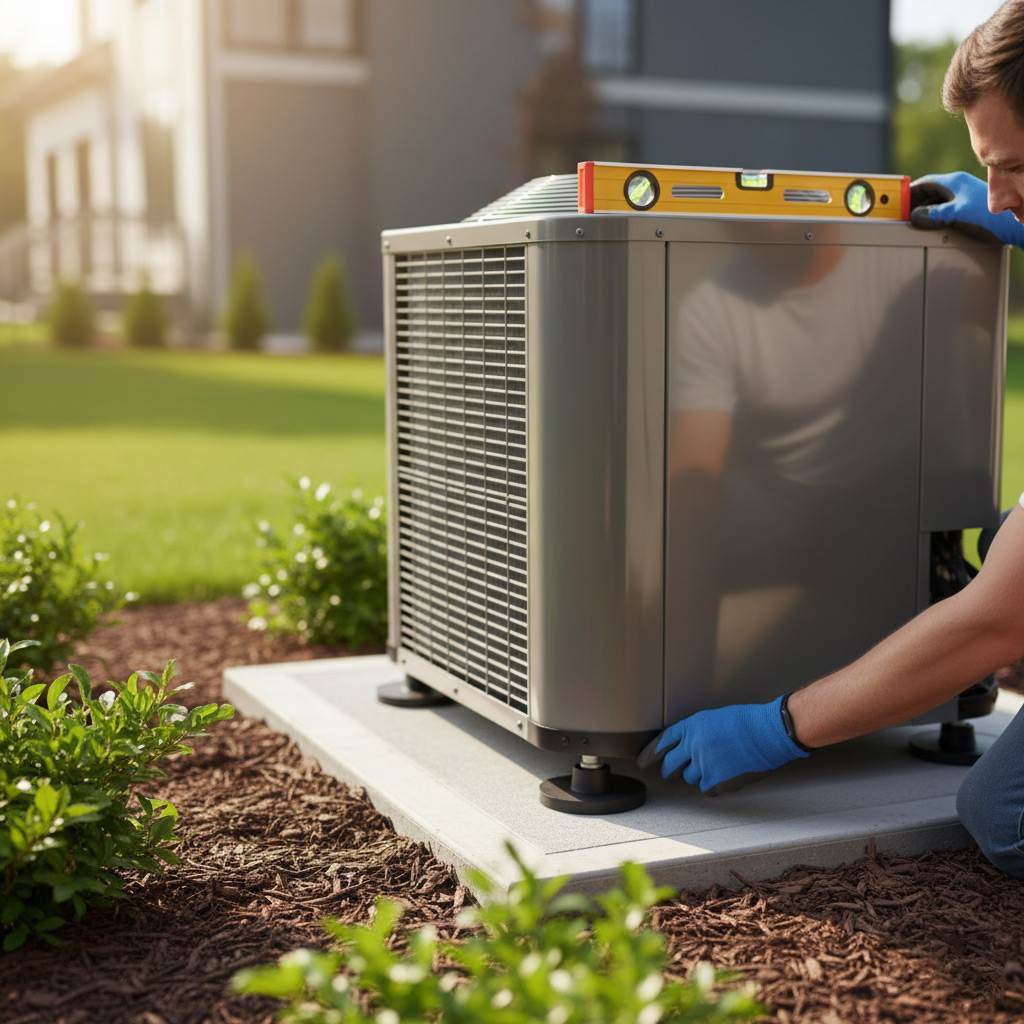
Before you pick up the phone, run a quick mental checklist. If your unit is under five years old, a single‑component fix often saves you a bundle. But once you hit the ten‑year mark, the odds tilt toward a full replacement—especially in Pembroke Pines where the humidity chews up aging parts.
- Age of the system: 5‑7 years – repair is usually cheaper.
- Frequency of breakdowns: More than two major failures in a year? Time to replace.
- Energy bills: Spike > 15% after a repair? New, high‑SEER units can slash costs.
Money Talk: Repair vs. Replace
Ask yourself: “Will this fix keep my AC humming for the next three summers?” If the answer is “maybe,” get a written estimate. A reputable tech will break down labor, parts, and any hidden fees. Compare that total to the price of a new unit plus installation. If the repair bill is 60% or more of a new system, you’re probably better off swapping.
When DIY Hits a Wall
Some problems scream “call a pro.” A refrigerant leak, a burnt compressor, or a busted capacitor isn’t safe to tinker with. Even if you feel confident, the cost of a botched DIY job can dwarf a professional fix. When in doubt, let a licensed Pembroke Pines technician take over. They’ll diagnose, certify the repair, and give you peace of mind that your home stays cool when the sun is at its fiercest.
Case Study: Rapid AC Restoration for a Pembroke Pines Homeowner After a Sudden Breakdown
The Call That Changed Everything
At 2 p.m. on a blistering July Thursday, Maria G. called our 24‑hour line, panic in her voice. Her 12‑year‑old central air unit had shut down mid‑cycle, and the indoor temperature spiked to 92 °F within minutes. We dispatched a certified tech within 45 minutes, knowing every minute without cool air felt like an extra hour in the Florida sun.
Diagnosis & Action Plan
Our technician arrived, ran a quick visual sweep, and identified three red flags:
- Tripped high‑limit switch – a safety device that shuts the compressor when it overheats.
- Low refrigerant pressure – a tell‑tale sign of a leak.
- Clogged condensate drain – causing excess moisture and coil icing.
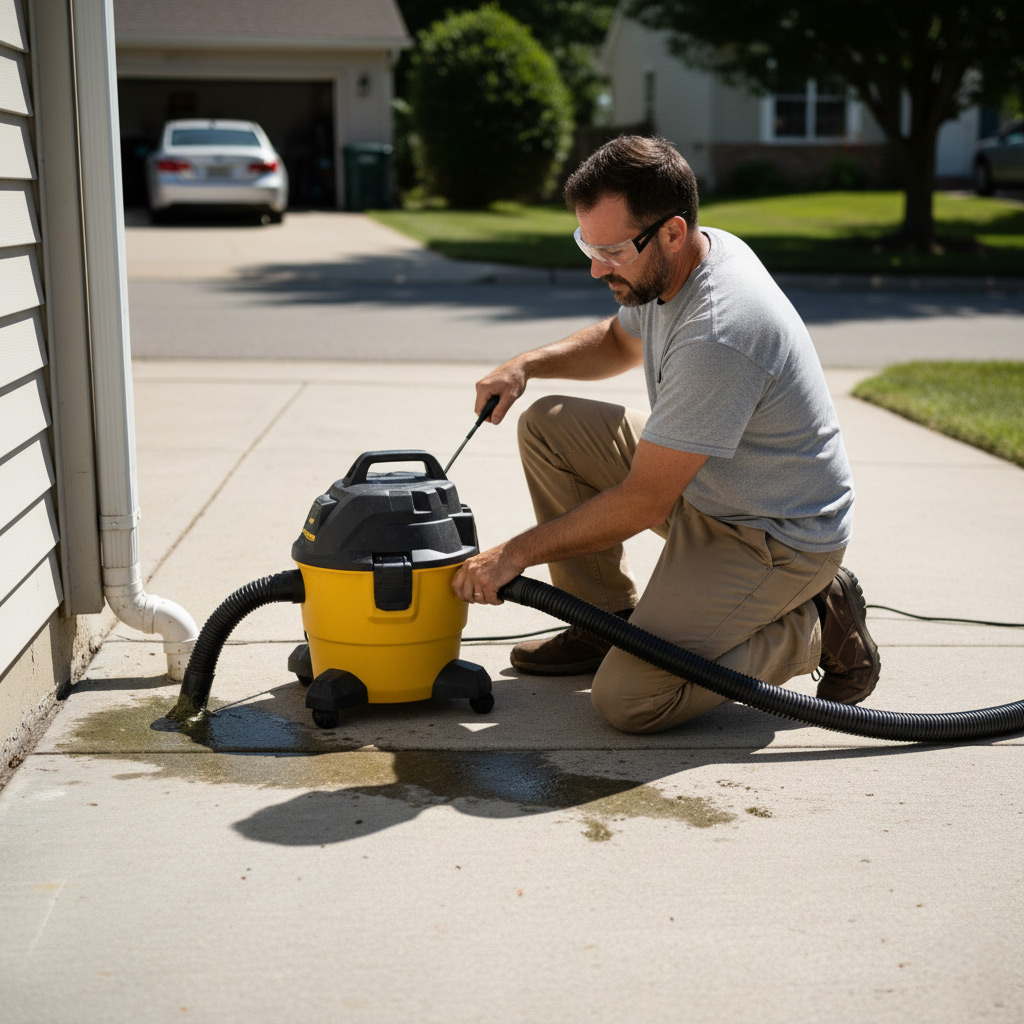
He tackled them in a logical order: reset the switch, replace the faulty thermostat sensor, and clear the drain line with a shop‑vac. Then he performed a leak test, found a tiny copper pinhole, and sealed it with a certified refrigerant‑compatible epoxy. Finally, he recharged the system to the manufacturer’s specs.
Result & Takeaway
Within 90 minutes the unit was humming again, delivering 18 °F cooler air to the living room. Maria’s electricity bill stayed under her usual range because we avoided a full compressor replacement. The key lesson? A swift, methodical response can save you from a costly replacement and restore comfort before the night’s humidity turns the house into a sauna.
Final Words
Take Action Before the Next Heat Wave Hits
Don’t wait for the thermostat to hit 80 °F before you call in help. A quick pre‑season check can save you from a costly emergency later. Grab a screwdriver, flip the breaker, and give the outdoor unit a visual once‑over—look for debris, loose wires, or obvious damage.
When DIY Meets Professional Muscle
If the problem persists after your basic checks, it’s time to bring in the pros. Our team knows the quirks of Pembroke Pines humidity and can diagnose hidden issues like refrigerant leaks or failing capacitors in minutes.
- Fast, transparent pricing
- Same‑day service for critical breakdowns
- Warranty‑backed repairs that last
Ready to lock in comfort? Air Conditioning Repair specialists are just a call away, and we’ll have your home feeling like a breeze again.
People Also Ask
How often should I schedule AC maintenance in Pembroke Pines?
Regular maintenance every 6 months, ideally before the hot and humid season, keeps the system running efficiently and prevents costly breakdowns.What are the most common signs that my AC needs repair?
Look for reduced cooling, strange noises, foul odors, frequent cycling, and higher energy bills—these indicate underlying issues that need attention.Can I fix a refrigerant leak myself?
No, handling refrigerant requires EPA certification; attempting a DIY repair can be dangerous and may void your warranty.When is it more cost‑effective to replace my AC instead of repairing it?
If repairs exceed 50% of the unit’s age‑adjusted value, or the system is over 10‑12 years old with recurring problems, replacement is usually the smarter investment.How does Pembroke Pines’ humidity affect AC performance?
High humidity forces the unit to work harder to remove moisture, increasing wear on coils and compressors, which can accelerate common failures. Regular coil cleaning and proper drainage are essential in this climate.
Pembroke Pines HVAC brings over 15 years of certified service to homes and businesses throughout Pembroke Pines, FL. Their team of licensed technicians specializes in efficient heating, cooling, and indoor air quality solutions tailored to the local climate. Committed to responsive service, they prioritize reliable performance and customer peace of mind.
Need HVAC?
Fast, reliable heating and cooling solutions for homes and businesses in Pembroke Pines, FL (33024, 33026, 33027, 33028) and nearby areas. We diagnose, repair, and install systems so you stay comfortable year‑round, often completing service appointments the same day.
Request HVAC Quote