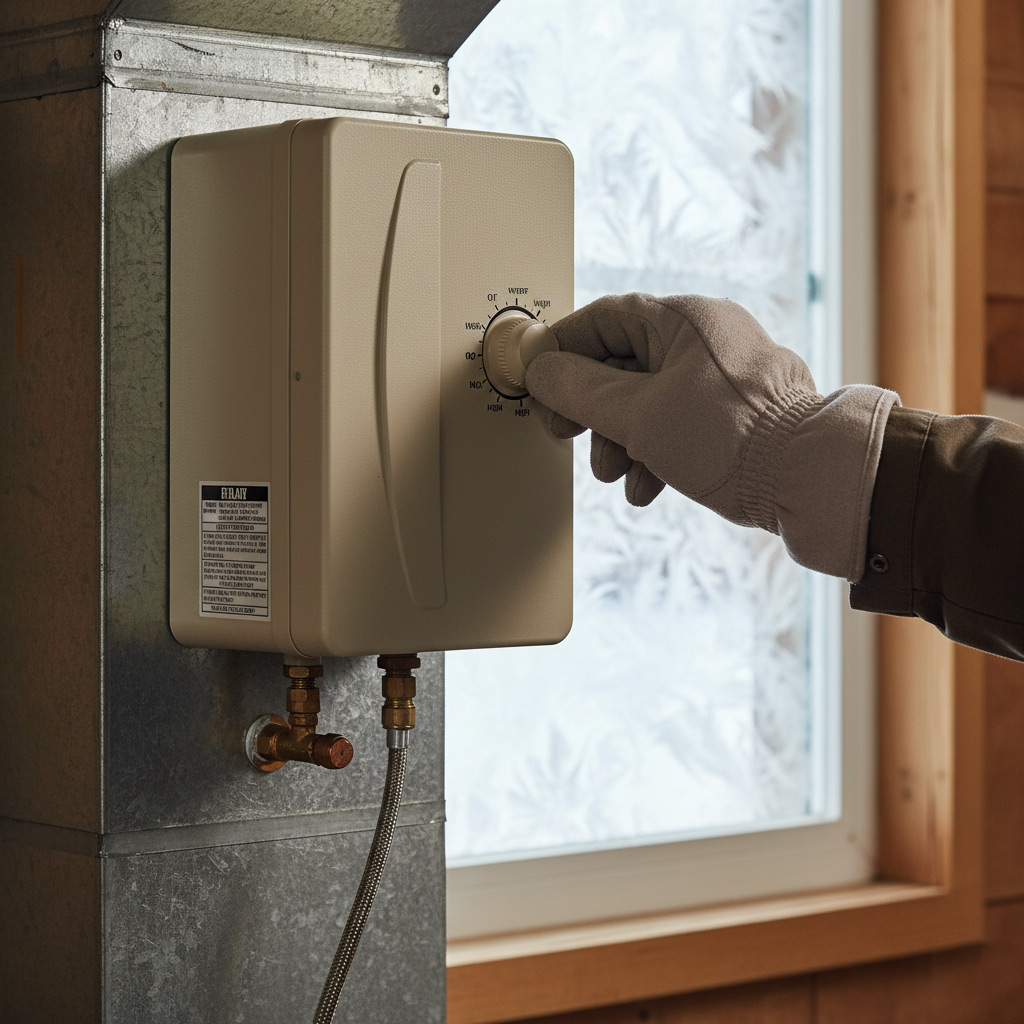
Ever walked into a boiler showroom and felt like the salesman was trying to sell you a spaceship instead of a heating system? The truth is, most of what you hear about boiler installation in Pembroke Pines is either hype or plain old myth.
Homeowners hear whispers about “instant heat,” “zero‑maintenance miracles,” and “guaranteed savings” – but the reality on the ground is a lot more practical. A solid installation is about matching the right unit to your home’s size, climate, and budget, not about flashy promises.
Here in Pembroke Pines, the humidity, the summer scorch, and the occasional chill all play a role in how a boiler should be set up. Local codes, soil conditions, and even the type of fuel available can make a huge difference in performance and cost.
If you’re ready to cut through the noise and learn what really matters when you pull the trigger on a new boiler, keep reading – the facts you need are just a few lines away.
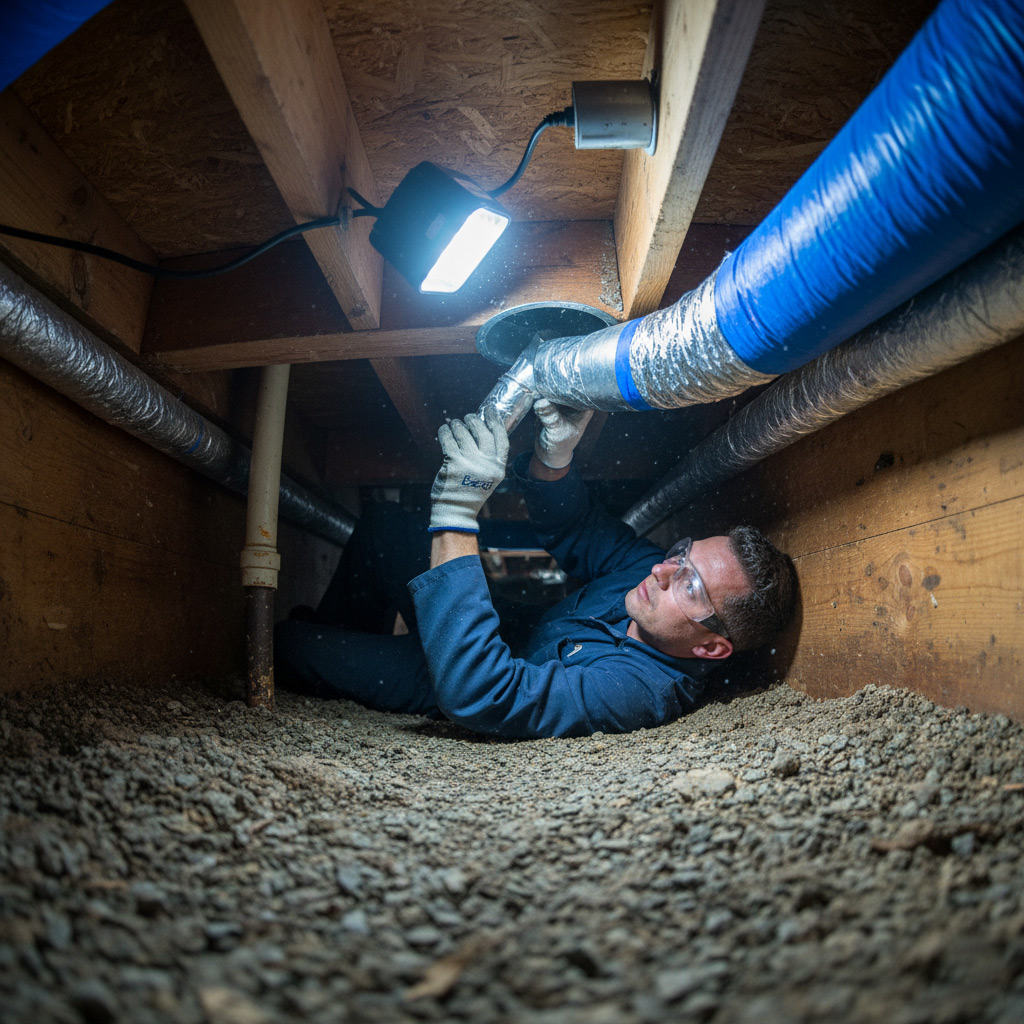
Understanding Boiler Types and Which One Fits Pembroke Pines Homes
First off, you’ll run into two families of boilers: conventional (or “regular”) and combination (combi). Conventional units store hot water in a separate tank, while a combi heats water on demand. One does the job, the other does it faster.
Conventional Boilers
- Great for homes with multiple bathrooms.
- Provides steady pressure for large radiators.
- Requires a storage tank and extra piping.
Combination Boilers
- Delivers instant hot water at the tap.
- Saves space—no tank needed.
- Best for smaller footprints and fewer fixtures.
Next, think about the fuel that powers the beast. In Pembroke Pines you’ll see natural gas, propane, and occasionally oil. Gas is the cheapest and most common, propane steps in where gas lines don’t reach, and oil is a fallback for older neighborhoods. Electric boilers exist, but they’re pricey to run in our heat‑hustle climate.
Match the boiler to your house like a glove. A 1,500‑sq‑ft ranch with two baths usually gets away with a 80‑90k BTU combi. A sprawling 3‑bedroom with a master bath and a guest suite? Look at a 120k BTU conventional with a decent tank. The rule of thumb: more square footage, more bathrooms, more heat‑demand = bigger, tank‑based system.
Evaluating Home Size, Insulation, and Climate for Proper Sizing
Start with the square footage
Take the total livable area and multiply it by the 30‑45 BTU per square foot rule of thumb for Florida homes. That gives you a ballpark figure before any adjustments.
Don’t forget rooms that aren’t heated year‑round—guest suites, finished basements, or sunrooms can be excluded to keep the load realistic.
Insulation matters more than you think
R‑value is the secret sauce. A well‑insulated attic (R‑30 or higher) can shave 10‑15% off the required boiler size. Poor insulation? Add the same percentage back.
- Check wall cavity insulation: fiberglass batts vs. spray foam.
- Inspect ductwork for leaks; sealed ducts improve efficiency.
- Upgrade windows to double‑pane if they’re single‑pane.
Local climate quirks
Pembroke Pines sees hot, humid summers and mild winters with occasional dips into the 40s°F. That swing means you need a boiler that can handle quick heat spikes without overworking.
Because humidity can make the air feel cooler, factor in a slight oversize—about 5%—to keep indoor comfort steady during those rare cold snaps.
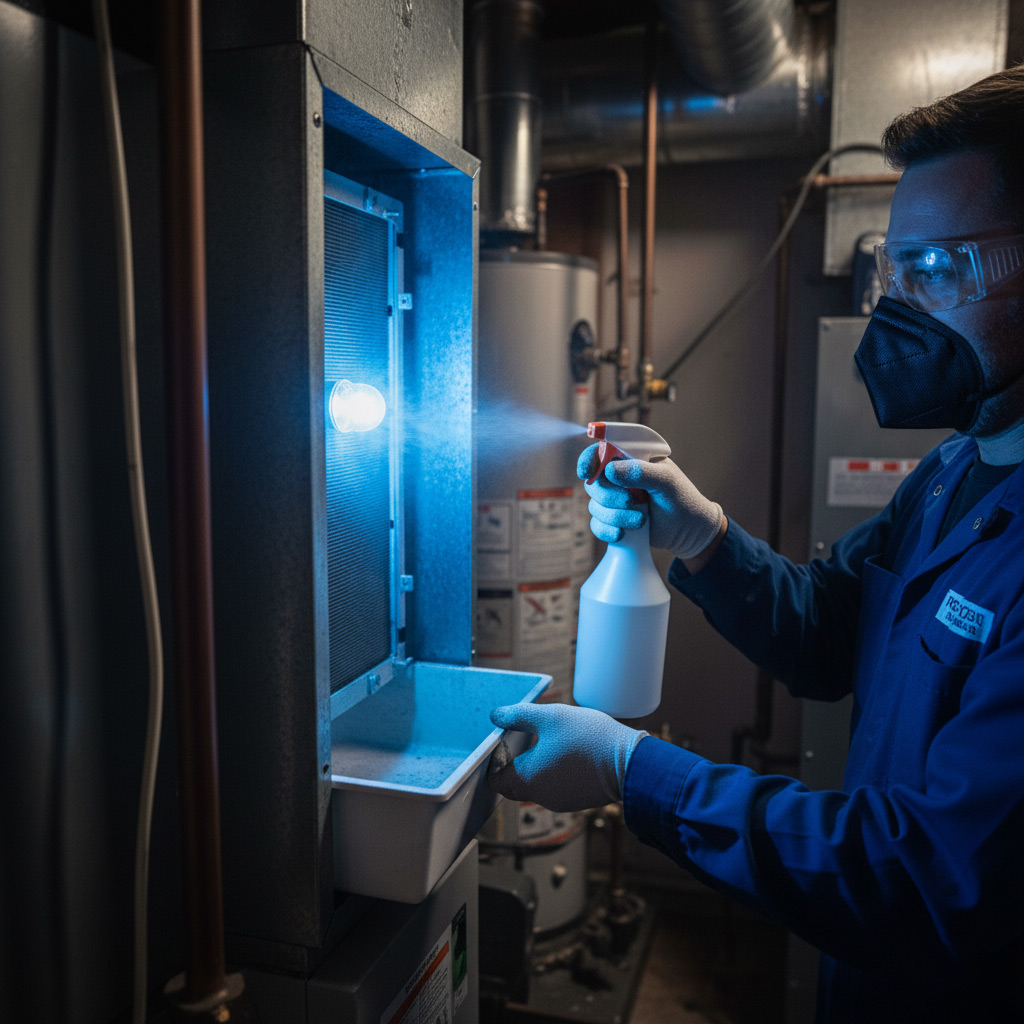
Navigating Local Codes, Permits, and Soil Considerations in Pembroke Pines
What the City Requires
Before the first pipe hits the ground, Pembroke Pines demands a permit. Skipping this step can land you with a fine or a forced teardown.
Typical paperwork includes:
- Building permit – covers structural changes and vent routing.
- Mechanical permit – specific to boilers, fuel type, and combustion safety.
- Electrical permit – if the unit needs new wiring or a dedicated circuit.
Each form must be signed by a licensed HVAC contractor who knows the city’s inspection schedule.
Soil & Groundwork
South Florida’s sandy soils aren’t just good for beach volleyball; they affect how a boiler sits.
Key concerns:
- Drainage – poor water flow can cause corrosion on the boiler’s base.
- Load‑bearing capacity – the floor must support the unit’s weight plus vibration.
- Corrosive salts – a concrete pad with a vapor barrier protects metal components.
Ask your installer to run a simple soil test. It’s cheap, and it saves you from a costly re‑install later.
Inspections & Final Sign‑off
Once the unit is in place, the city sends an inspector. They’ll check clearances, venting, and that the permit matches the work.
Don’t be surprised if they ask for a combustion analysis or a pressure test. It’s their way of confirming you’ll get safe, efficient heat.
When the inspector stamps “approved,” you get a certificate of occupancy. That paper is your proof that the boiler meets every local rule – and it protects your warranty.
The Installation Process: From Site Preparation to Final Testing
First thing on the job site is a clean‑up. We clear debris, level the floor, and verify that the concrete pad meets the boiler’s weight specs. Any uneven surface can cause vibration and premature wear, so a quick level check saves headaches later.
Connecting the System
Once the base is solid, the crew moves on to the guts of the job. Pipes, gas lines, and electrical wiring are routed according to the manufacturer’s diagram and local code.
- Secure the gas shut‑off valve and run a pressure test – no leaks, no excuses.
- Install the condensate drain with a proper slope; a clogged drain is a nightmare in humid Pembroke Pines weather.
- Hook up the circulator pump and integrate the thermostat, making sure the wiring matches the control board.
Final Testing & Handover
With everything in place, we fire up the boiler for a full cycle. The technician watches pressure gauges, temperature differentials, and safety switches.
- Perform a combustion analysis to confirm efficiency is within spec.
- Run a leak‑check on all connections, then verify that the system reaches the set temperature in under the expected time.
- Provide the homeowner with a quick walkthrough, showing how to adjust settings and schedule maintenance.
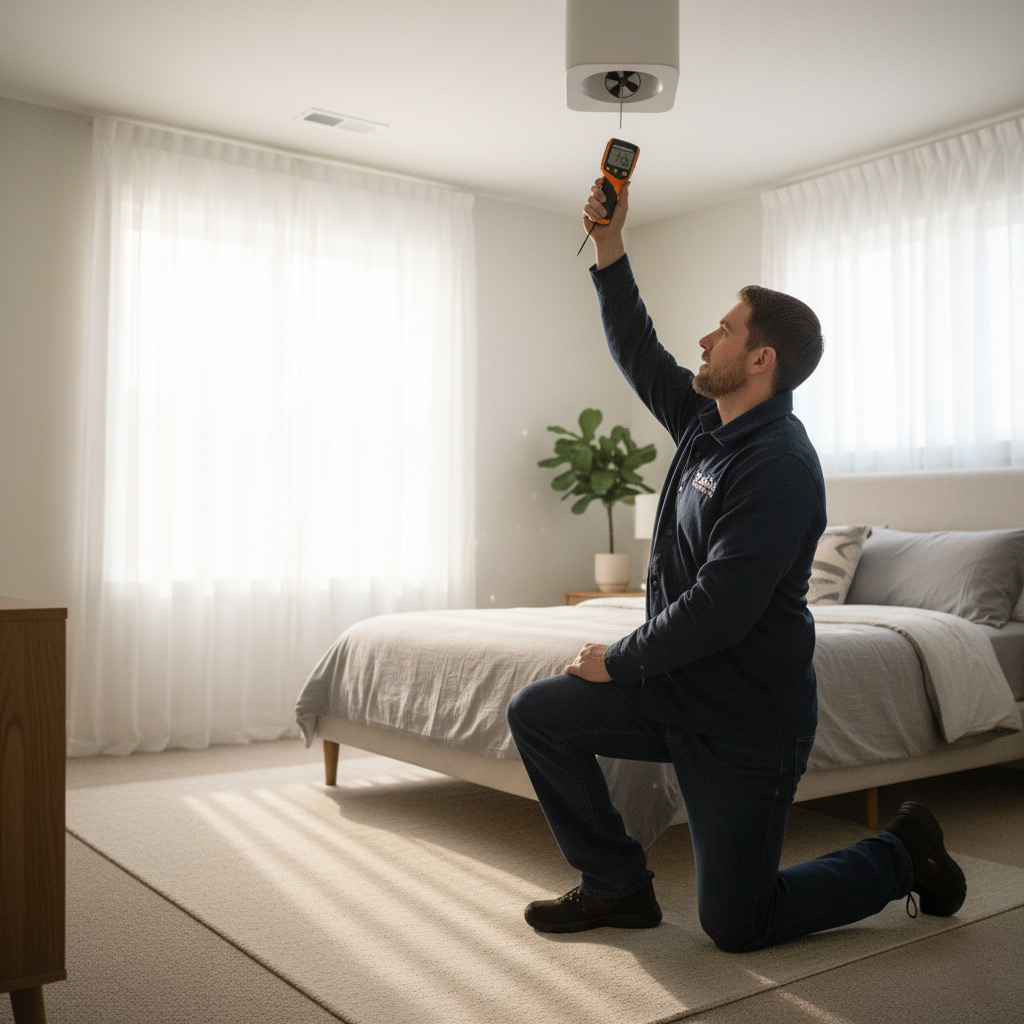
Cost Breakdown: Equipment, Labor, and Long‑Term Savings Analysis
What you’re actually paying for
First, the boiler itself. A high‑efficiency condensing unit in Pembroke Pines typically runs $3,200‑$5,500, depending on BTU output and brand reputation. Add the heat‑exchanger, controls, and a stainless‑steel vent kit, and you’re looking at another $800‑$1,200.
Don’t forget the ancillary gear: expansion tank, circulator pump, and a smart thermostat. Those little extras can add $400‑$700 to the bill, but they’re the difference between a “good” install and a “great” one.
Labor – the hidden variable
Installation crews in South Florida charge by the hour and by the complexity of the job. Expect a base rate of $85‑$110 per hour. A straightforward swap in a single‑family home usually takes 8‑10 hours, while a full‑scale retrofit can stretch to 15 hours.
Extra work—like trenching for a new gas line or reinforcing a concrete pad—adds a flat fee of $500‑$1,200. Ask for a detailed quote that separates “materials” from “labor” so you can see where every dollar goes.
Long‑term savings – the real payoff
Modern condensing boilers shave 20‑30% off your monthly energy bill. In a typical Pembroke Pines home, that translates to $150‑$250 per year in fuel savings.
- Payback period: 4‑6 years, depending on usage.
- Federal tax credit: up to 30% of equipment cost (check current eligibility).
- Reduced maintenance: fewer visits, lower parts wear.
When you stack the upfront cost against the annual savings, the math starts to look like a smart investment rather than a splurge.
Case Study: Successful Boiler Installation for a 3‑Bedroom Home in Pembroke Pines
Home Profile
John and Maria own a 1,800‑sq‑ft, two‑story ranch on Flamingo Road. The house was built in 2005, has fiberglass insulation, and runs on natural gas. Their old oil boiler was noisy, inefficient, and left the master bedroom chilly on winter evenings.
Installation Highlights
We recommended a high‑efficiency, modulating gas boiler that matches the home’s heat load. After a detailed Manual J calculation, the unit was sized at 85,000 BTU – just right for the local climate and the house’s insulation level.
Key steps we took:
- Permit acquisition: Secured the city’s mechanical permit in 48 hours.
- Site prep: Cleared the basement, added a concrete pad, and installed a new vent kit to meet Florida’s soil‑corrosion standards.
- Professional hookup: Certified technicians connected the gas line, water loop, and integrated the boiler with the existing radiant floor system.
- Final testing: Performed a combustion analysis and a pressure‑drop test to certify optimal performance.
Outcome & Savings
Within two weeks, the family reported even heat throughout the house and a noticeable drop in their utility bill – roughly 22 % less than the previous year. The boiler’s warranty covers 10 years on parts, giving them peace of mind.
John says, “It’s quiet, it’s fast, and I finally feel comfortable in the bedroom without cranking the thermostat.” Maria added, “We’re saving money and we didn’t have to wrestle with a contractor for months.”
Final Words
Ready to stop guessing and start heating smart? The right boiler won’t magically appear—you need a pro who knows Pembroke Pines inside out. Call today and let a certified installer walk you through the exact model, size, and placement that will keep your home comfortable year‑round.
Quick Checklist Before You Sign the Contract
- Confirm the boiler’s AFUE rating meets Florida’s energy standards.
- Verify the installer holds a current Florida contractor’s license and local permits.
- Ask for a written warranty that covers both equipment and labor for at least 5 years.
- Make sure the Boiler Installation plan includes a post‑install performance test.
When you’ve crossed those boxes, you’ll know you’ve avoided the hype and locked in real value. A solid install pays for itself in comfort, lower bills, and peace of mind—no gimmicks, just good old‑fashioned engineering done right.
People Also Ask
What boiler type is best for homes in Pembroke Pines?
A high‑efficiency condensing boiler is typically the best choice because it maximizes heat output while minimizing fuel consumption in the warm, humid climate of Pembroke Pines. Combi boilers are also popular for smaller homes that need both space heating and domestic hot water.How do I determine the correct boiler size for my Pembroke Pines house?
Calculate the heating load based on square footage, insulation levels, window efficiency, and local climate data. A professional HVAC contractor will perform a Manual J load calculation to ensure the boiler is neither oversized nor undersized.Do I need a permit to install a boiler in Pembroke Pines?
Yes, Broward County requires a mechanical permit for any new boiler installation, and the work must comply with the Florida Building Code and local zoning regulations. Your installer should handle the permit application and inspection scheduling.What are the typical costs associated with boiler installation in Pembroke Pines?
Expect to pay $3,500‑$7,500 for a high‑efficiency boiler, plus $1,200‑$2,500 for labor, permits, and any necessary duct or pipe modifications. Long‑term savings come from reduced fuel bills and lower maintenance expenses.How long does the boiler installation process take?
From site preparation to final testing, a standard residential boiler install usually takes 2‑3 days, assuming no major structural or soil issues. The contractor will perform a thorough inspection and provide a performance test before signing off.
Pembroke Pines HVAC brings over a decade of certified HVAC expertise to homes and businesses throughout Pembroke Pines, FL. Their team combines thorough training with local knowledge to deliver efficient heating, cooling, and ventilation solutions. Committed to responsive service, they prioritize comfort and energy efficiency for the community.
Need HVAC?
Fast, reliable heating and cooling solutions for homes and businesses in Pembroke Pines, FL (33024, 33026, 33027, 33028) and nearby areas. We diagnose, repair, and install systems so you stay comfortable year‑round, often completing service appointments the same day.
Request HVAC Quote