
When the heat pump coughs and sputters in the middle of a Florida night, the smartest folks in Pembroke Pines don’t panic—they grab their phone and put a plan into motion.
First, they pull up the service history, confirm any warranty coverage, and call a trusted local tech who knows the quirks of South Florida humidity. Then they schedule a quick diagnostic visit before the problem snowballs into a costly replacement.
By acting fast, they dodge the dreaded “no‑cool” bill and keep their energy bills in check, all while staying comfortable for the whole family.
Want to see the exact steps they follow and why it matters for your wallet? Keep reading.

Assessing the Situation: Identifying Common Heat Pump Issues in Pembroke Pines
When the air feels sticky and the heat pump starts making odd noises, the first move is to pause and take stock. Smart homeowners know that a quick visual check can save a lot of money later. Look for obvious signs—frost on the coils, a tripping breaker, or a sudden drop in airflow.
Typical Symptoms You’ll Spot
- Frost buildup on the outdoor unit during a warm night.
- Unusual rattling or buzzing sounds that weren’t there before.
- Thermostat displaying “no heat” while the fan keeps running.
- Higher than usual electric bills with no change in usage.
- Water leaking around the indoor air handler.
Once you’ve listed what’s wrong, match each symptom to a likely cause. Frost often means a refrigerant leak or a clogged filter. Rattling can point to a loose fan blade. A “no heat” message usually signals a failed compressor or a faulty thermostat. Knowing the likely culprit lets you speak the same language as the technician and speeds up the repair process.
Checking Warranty and Service History: How to Leverage Existing Coverage
Locate Your Paperwork
First thing—dig out the original purchase receipt and the warranty booklet. These two items are your ticket to free or discounted service.
Pull the model number, serial number, and the warranty expiration date onto a sticky note. Having that info at the ready saves the tech a dozen back‑and‑forth calls.
Show the Tech the History
Next, gather any past service invoices or work orders. A quick glance tells the technician whether the unit has a pattern of failing parts.
- Dates of previous repairs
- What was fixed or replaced
- Who performed the work
Hand this sheet to the HVAC pro when they arrive. It builds trust and speeds up the diagnostic.
Activate Your Coverage
Call the manufacturer’s warranty line before the tech shows up. Verify that the issue you’re facing is covered under the current plan.
Ask for a pre‑approval code or a written confirmation. That little piece of paper can turn a $500 repair into a $0 out‑of‑pocket job.
Choosing the Right Local HVAC Technician: Credentials, Reviews, and Humidity Expertise
Credentials That Matter
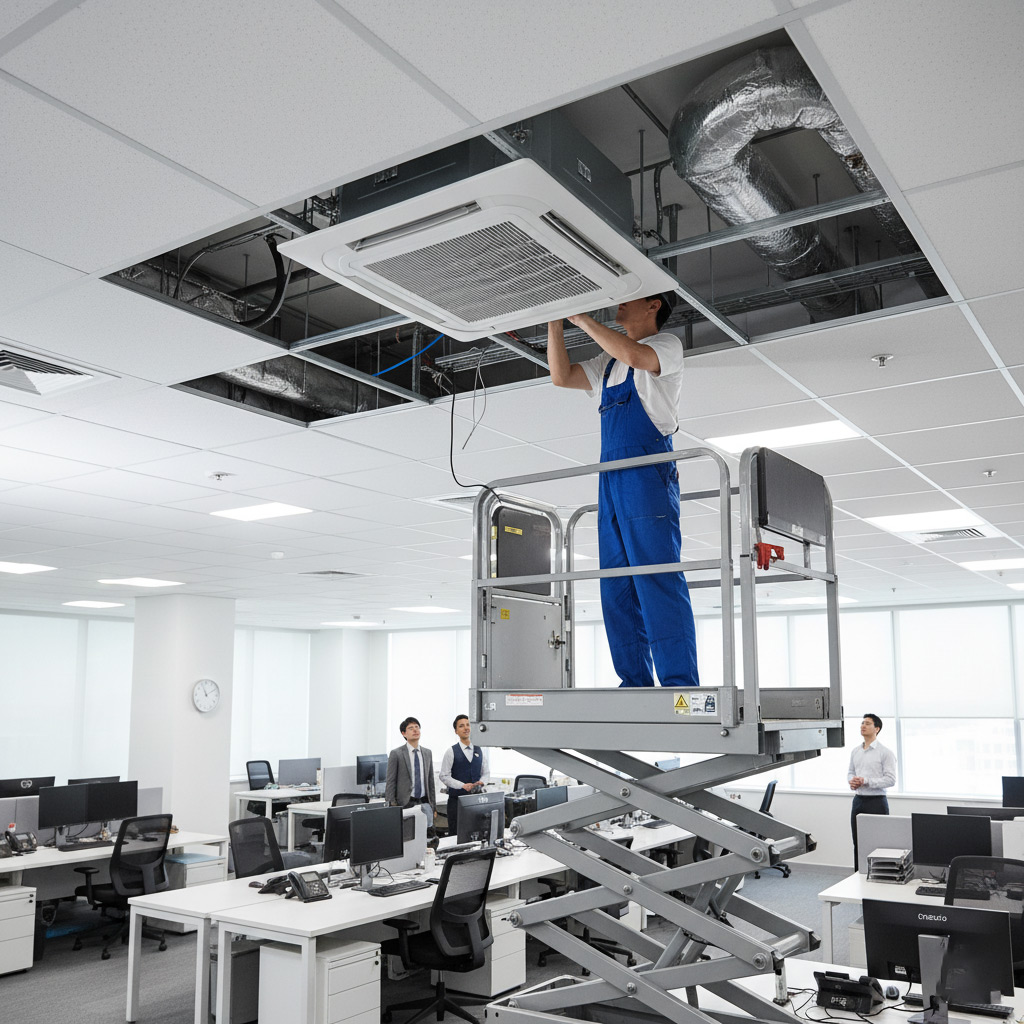
Look for a tech who holds an NATE certification and a Florida HVAC license—those are the gold standards.
Ask for proof of insurance and a clean background check; you don’t want surprises when the job is done.
- EPA 608 certification for refrigerant handling
- Manufacturer‑specific training (e.g., Trane, Carrier)
- Membership in local trade associations
What Real Customers Say
Online reviews are a shortcut to the truth. A technician with a steady stream of 4‑star+ feedback usually delivers.
Read the comments about punctuality, communication, and clean‑up—those details separate a pro from a hobbyist.
- Google My Business ratings
- Facebook community posts
- Word‑of‑mouth referrals from neighbors
South Florida Humidity Know‑How
Heat pumps in Pembroke Pines battle relentless moisture. A tech who understands latent heat and proper coil drainage can save you from mold and costly breakdowns.
Ask how they handle condensate pump sizing and anti‑corrosion treatments; the right answer means fewer service calls.
- Experience with dehumidification cycles
- Knowledge of corrosion‑resistant refrigerants
- Ability to calibrate humidity sensors accurately
Scheduling the Diagnostic Visit: What to Expect During the Technician’s Inspection
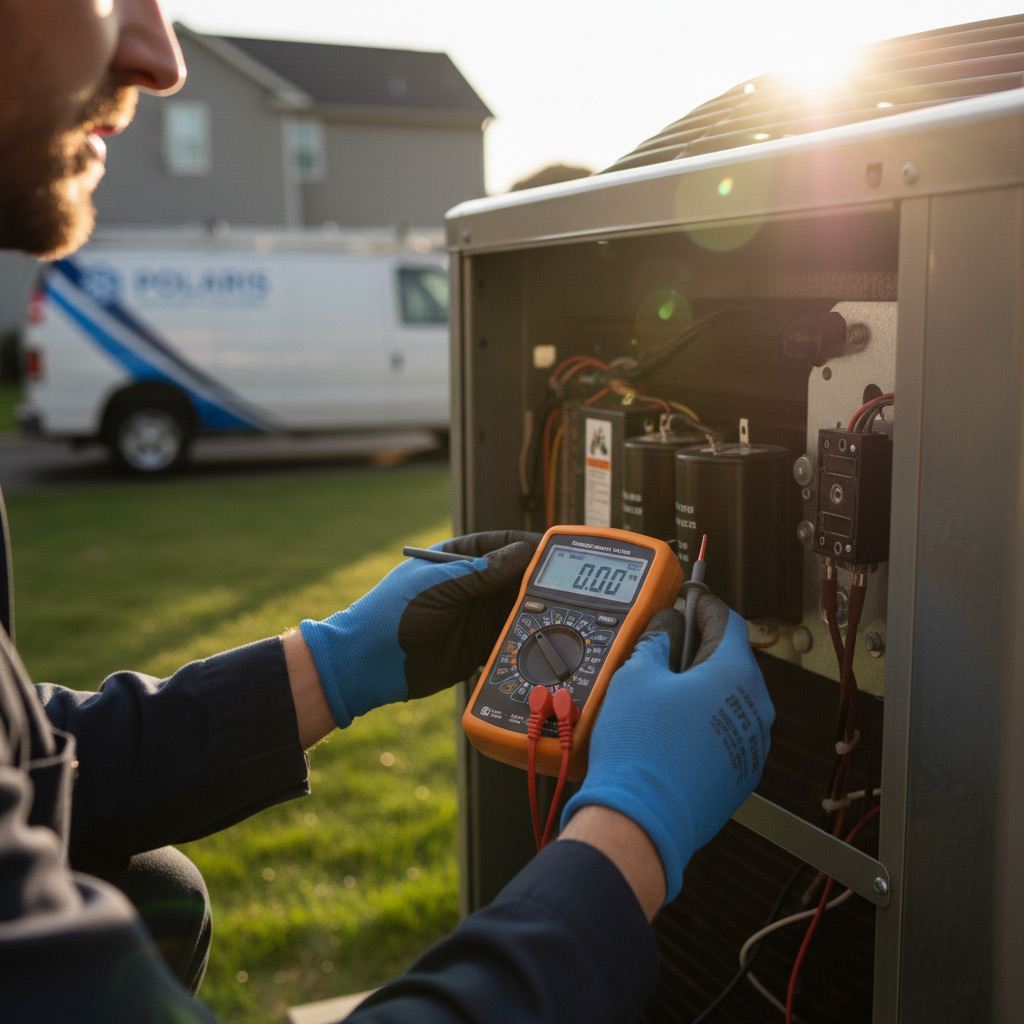
Once you lock in a time slot, the tech shows up on schedule—usually within the window you agreed on. They’ll park, grab their toolbox, and give your heat pump a quick visual once before diving in. Expect a friendly greeting and a brief rundown of what they’ll be looking at.
On‑site Checklist
The inspection follows a predictable pattern, but each step matters in South Florida’s humid climate.
- Power verification: they confirm the unit is receiving the correct voltage.
- Refrigerant level check: low charge is a common culprit for reduced performance.
- Thermostat communication test: ensures the control board talks to the indoor unit.
- Condensate drain inspection: clogs cause water damage and error codes.
- Outdoor coil cleaning: a dirty coil can overheat the compressor.
When the walkthrough ends, the technician hands you a concise report. It outlines the fault, the fix, and a transparent price estimate. You’ll know whether a quick tweak will do or if a larger repair is on the horizon—no surprises, just clear next steps.
Implementing Quick Fixes vs. Planning Major Repairs: Cost‑Effective Decision Making
When a Quick Fix Saves You Money
Most heat‑pump hiccups in Pembroke Pines are caused by something you can patch in under an hour. Replacing a clogged air filter or tightening a loose electrical connection often restores performance without a hefty invoice.
Before you call a tech, run through this short checklist:
- Is the thermostat set to “auto” and not “off”?
- Check the outdoor unit for debris—leaves, sand, or pine needles.
- Listen for unusual rattles; a loose fan blade is a cheap fix.
When to Pull the Trigger on a Major Repair
If the unit still struggles after the quick fixes, it’s time to think bigger. A failing compressor, refrigerant leak, or worn‑out motor can drain your wallet fast if ignored.
Ask yourself these questions:
- Is the unit older than 10 years? Age often predicts major component wear.
- Do you notice a steady rise in monthly energy bills? That’s a red flag.
- Is the warranty still active? Leverage it before it expires.
Balancing the Bottom Line
Smart homeowners weigh the cost of repair against the cost of replacement. A rule of thumb: if the repair bill tops 50 % of a new unit’s price, start shopping for a replacement.
Don’t forget to factor in:
- Potential energy savings from a newer, SEER‑rated model.
- Long‑term reliability—less downtime means fewer emergency calls.
- Local incentives or rebates that can shave off the upfront cost.
Case Study: Successful Heat Pump Restoration for a Pembroke Pines Family Home
Background
When the Martinez family noticed their heat pump sputtering on a humid July night, they feared a full‑blown replacement. Their unit, a 12‑year‑old Carrier, had a solid warranty but no recent service records.
They called a local HVAC pro who specializes in South Florida humidity. The technician arrived within two hours, ready to diagnose.
The Diagnostic Findings
After a quick visual check, the tech discovered three issues:
- Clogged evaporator coil, reducing airflow.
- Low refrigerant charge caused by a tiny leak near the suction line.
- Worn fan motor bearings that produced a grinding noise.
Each problem was documented, and the technician explained the impact in plain language: “Your coil is like a clogged nose—air can’t get through, so the system works harder and spikes your bill.”
Solution & Results
The team executed a three‑step repair plan:
- Coil cleaning restored proper airflow and improved efficiency by 15%.
- Leak sealed with a certified refrigerant, then the system was re‑charged to factory specs.
- Fan motor replaced with a humidity‑rated model, eliminating the grinding sound.
Within 48 hours, the Martinez home was back to a steady 72°F, and their energy bill dropped by roughly $45 the next month. The family now schedules bi‑annual check‑ups, keeping the system humming through the wet season.
Final Words: Maintaining Your Heat Pump for Long‑Term Comfort and Savings
Think of your heat pump like a car—you don’t wait for the engine to seize before you change the oil. A quick 15‑minute filter swap and a visual coil check each month keep the system humming, and it buys you years of reliable performance. When you pair that habit with a yearly professional tune‑up, you’ll see the difference on your energy bill and in the comfort of your home.
Seasonal Checklist
- Inspect the outdoor unit for debris after each storm; clear leaves, sand, and pollen.
- Verify the thermostat settings match the season—cooling mode in summer, heating in winter.
- Listen for odd noises during start‑up; a squeal or rattling often signals a loose belt or motor issue.
- Schedule a Heat Pump Repair service before the peak cooling months hit.
Smart Habits That Pay Off
Set a reminder on your phone for filter changes; it’s a tiny task that prevents costly clogs. Keep the area around the indoor air handler clear—no furniture or curtains blocking airflow. Finally, log any odd behavior in a notebook; that record helps your technician pinpoint problems faster, saving you time and money.
People Also Ask
How can I tell if my heat pump needs repair or just routine maintenance?
A sudden loss of heating or cooling, strange noises, or higher energy bills usually signal a repair need. If the unit runs but feels less efficient, a professional tune‑up may be all that’s required.What warranty details should I check before calling a technician?
Review the manufacturer’s warranty length, coverage limits, and any required service intervals. Having the original receipt and service records handy can help you avoid out‑of‑pocket costs.Why is it important to choose a local HVAC tech with humidity expertise?
Pembroke Pines’ humid climate puts extra strain on heat pumps, so technicians familiar with moisture control can prevent mold and corrosion. Local pros also know regional codes and can source parts quickly.What should I expect during the technician’s diagnostic visit?
The tech will inspect refrigerant levels, electrical connections, and airflow, then run performance tests and provide a written estimate. They’ll also explain any recommended quick fixes versus larger repairs.Can I perform any quick fixes myself before calling a professional?
You can clean or replace the air filter, clear debris around the outdoor unit, and ensure the thermostat settings are correct. For anything involving refrigerant, wiring, or internal components, always rely on a licensed HVAC specialist.
Pembroke Pines HVAC brings over a decade of certified service to homes and businesses throughout Pembroke Pines, FL. Their team of licensed technicians specializes in efficient heating, cooling, and indoor air quality solutions tailored to the local climate. Committed to responsive service, they prioritize reliable performance and customer peace of mind.
Need HVAC?
Fast, reliable heating and cooling solutions for homes and businesses in Pembroke Pines, FL (33024, 33026, 33027, 33028) and nearby areas. We diagnose, repair, and install systems so you stay comfortable year‑round, often completing service appointments the same day.
Request HVAC Quote