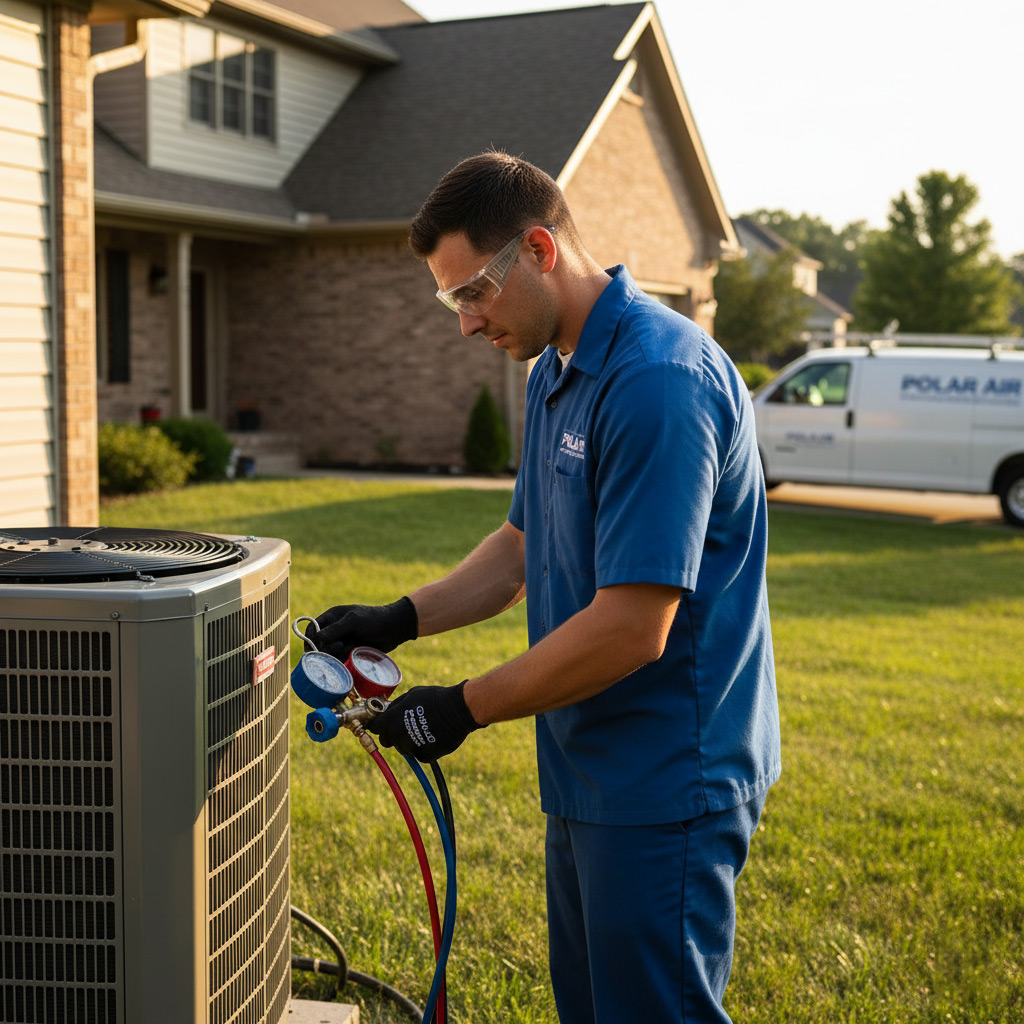
Ever stepped into a house in July and felt like you were walking into a sauna that someone built on purpose? That gut‑punch feeling isn’t just bad luck—it’s a sign you’ve got the wrong HVAC design for the climate you live in.
Pembroke Pines isn’t just hot; it’s humid, it’s windy, and the building codes here have quirks that can turn a decent system into a money‑sucking nightmare. The right design takes those local quirks and turns them into comfort, not chaos.
In the next few minutes we’ll break down the exact factors you need to weigh, the questions that separate the pros from the pretenders, and how to lock in a system that pays for itself. Keep reading and you’ll walk away with a clear roadmap to a cooler, smarter home.
Why the Right HVAC Design Is a Game‑Changer in Pembroke Pines
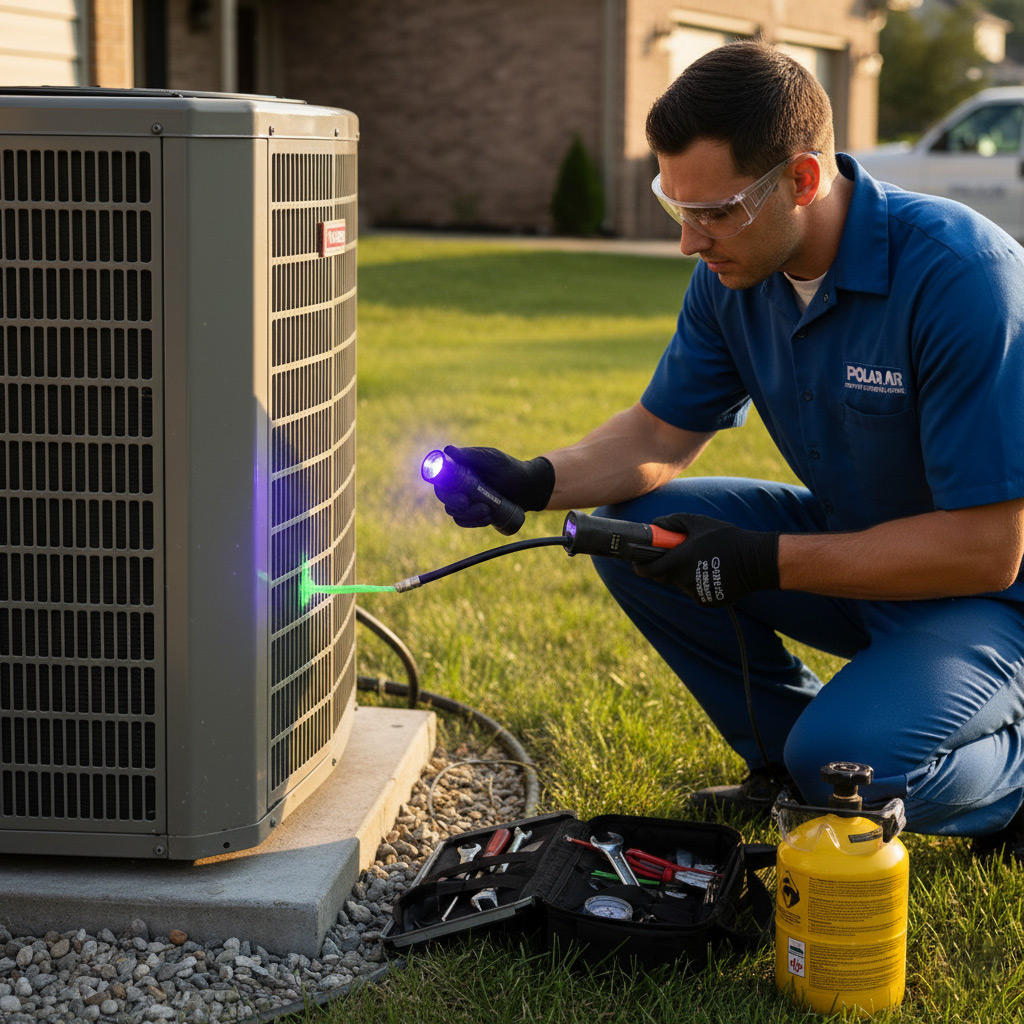
Living in Pembroke Pines means battling heat that feels like a furnace and humidity that sticks to everything. One wrong sizing decision can turn a modest utility bill into a monthly nightmare, while a well‑tuned system keeps the house cool without draining the wallet.
Local building codes add another layer of complexity—there are specific ventilation requirements and energy‑efficiency standards that most off‑the‑shelf designs ignore. Ignoring those rules not only risks fines, it also means you’re not getting the full performance your home deserves.
Key Local Factors to Consider
- Climate load: High summer temperatures plus relentless humidity demand a system with robust de‑humidification.
- Wind patterns: Coastal breezes can affect airflow distribution, so duct placement matters.
- Code compliance: Florida’s Title 24 and local ordinances dictate minimum SEER ratings and ventilation rates.
- Home layout: Open‑plan living spaces need different zoning strategies than compartmentalized floor plans.
Conducting a Precise Load Calculation for Your Home
Before you even think about picking a furnace or a condenser, you need to know exactly how much cooling and heating your house *actually* demands. A sloppy estimate can leave you with a unit that’s either gas‑guzzling or barely keeping the bedroom at a livable temperature.
Why a Manual J is non‑negotiable
Professional load calculators—often called Manual J—take the guesswork out of the equation. They factor in every variable that makes Pembroke Pines unique, from sea‑level humidity to afternoon breezes that sneak through your attic.
- Square footage: Not just the total, but the layout of each room.
- Window orientation: South‑facing panes soak up sun; north‑facing ones stay cool.
- Insulation R‑value: Thin walls = more work for the system.
- Air infiltration: Leaky doors and ducts add hidden load.
Skipping this step is like buying a race car without checking the fuel gauge. You’ll pay more in energy bills, and you’ll be stuck calling a tech to fix a system that was never right for your home.
Step‑by‑step: Getting the numbers right
Start with a detailed floor plan. Mark every window, door, and major appliance that generates heat. Then, grab the latest local weather data—average high temps, humidity peaks, and wind speeds during the hottest months.
- Measure each room’s length, width, and ceiling height.
- Note the type of glazing and shading on every window.
- Record the insulation thickness in walls, floors, and attic.
Once you have the raw data, hand it to a certified HVAC contractor who runs the Manual J software. The result is a precise BTU rating that tells you exactly what size unit will keep your home comfortable without bleeding electricity.
Selecting the Optimal HVAC System Type for Humidity and Wind Conditions
System Types That Beat the Heat
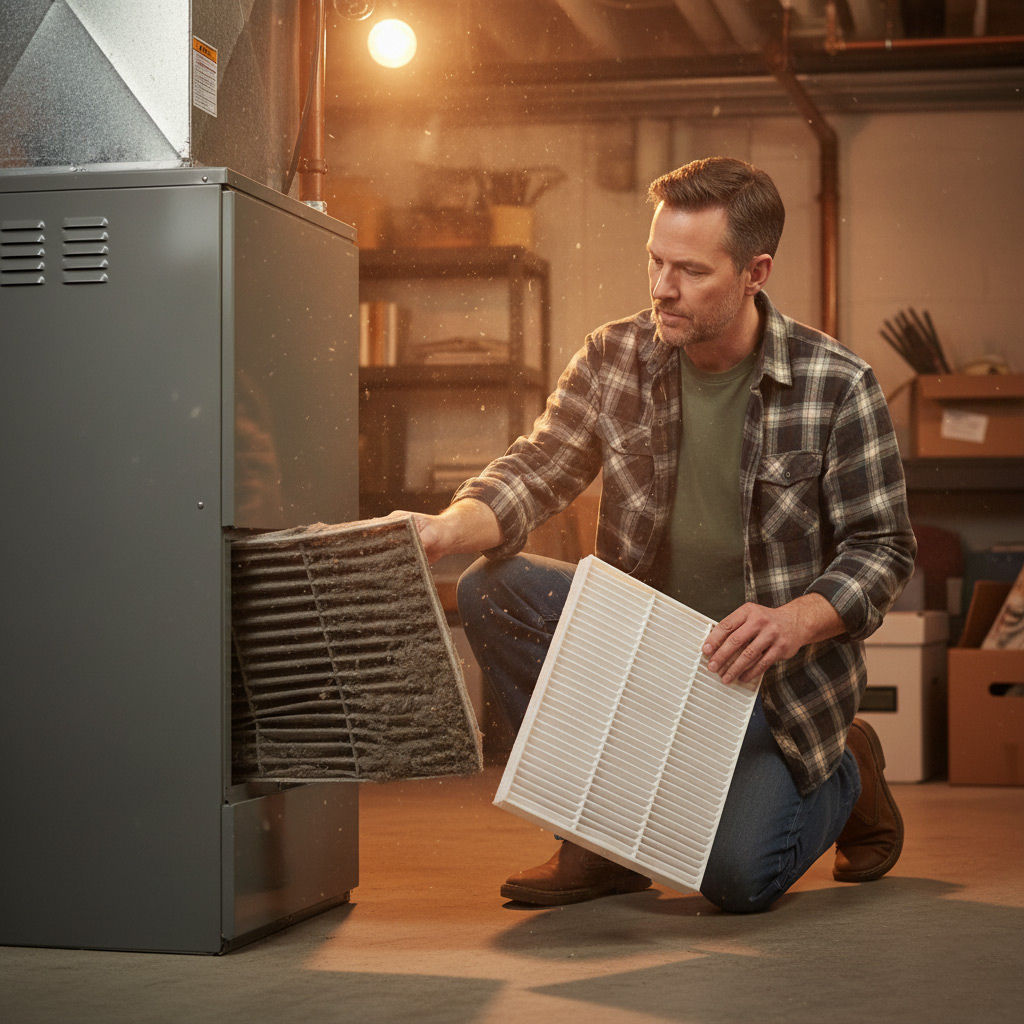
In Pembroke Pines you’ll rarely see a one‑size‑fits‑all solution; the climate forces you to choose wisely. Two‑stage air conditioners and variable‑speed heat pumps keep the compressor humming at lower speeds, which means less sweat on the walls and a smaller electric bill.
Consider these options:
- Split‑system AC – classic, reliable, works well with existing ductwork.
- Heat pump – provides both cooling and heating, perfect for mild winters.
- Packaged rooftop unit – great for homes with limited indoor space.
- Ductless mini‑split – ideal for additions or rooms that need targeted comfort.
Humidity‑Handling Heroes
Humidity is the silent enemy; it makes you feel hotter and can damage woodwork. Look for units with built‑in dehumidification or a separate whole‑house dehumidifier that talks to your thermostat.
Key features to demand:
- Two‑stage cooling – pulls moisture out before the air even hits the fan.
- Variable‑speed blower – circulates air gently, preventing condensation buildup.
- Smart humidity sensor – adjusts run time automatically.
Wind‑Ready Design Tips
South‑west breezes can slam your outdoor coil, forcing it to work harder. Position the condenser where it’s shielded but still gets airflow, and use a corrosion‑resistant coil to survive salty sea‑air.
Don’t forget these quick fixes:
- Install a wind‑break fence or shrubbery at least 3 feet away.
- Seal all duct connections with mastic, not just foil tape.
- Choose a unit with a high SEER rating; it handles gusts without spiking power use.
Proper Load Calculation: Size Matters
Before you even think about picking a brand, you need to know how much cooling and heating your home actually demands. A system that’s too small will run nonstop, while an oversized unit will short‑cycle, wasting energy and money.
How to get an accurate load number
Hire a certified technician who uses the ACCA Manual J method. This isn’t a guess‑work spreadsheet; it accounts for square footage, ceiling height, window orientation, and the notorious humidity of Pembroke Pines.
- Square footage – larger homes need more BTUs, but don’t forget attic space.
- Window exposure – south‑facing windows add heat load, especially with low‑E glass.
- Insulation quality – poor insulation spikes the heating demand in winter.
Once you have the BTU rating, match it to a unit that falls within the 10‑15% tolerance range. Anything outside that window is a red flag and a recipe for higher utility bills.
Why proper sizing pays off
A correctly sized system runs at its most efficient point, delivering consistent comfort while keeping wear and tear low. That means fewer service calls, a longer lifespan, and a healthier resale value for your home.

5. Size the System for Real‑World Loads
Don’t let a “one‑size‑fits‑all” calculator fool you. The numbers you see on paper rarely match the heat that actually builds up in a Pembroke Pines home during a July afternoon.
What the calculator misses
Most software assumes a perfectly sealed box. In reality you have:
- Leaky doors and windows that let hot air sneak in.
- Solar gain from large south‑facing windows.
- Appliance heat from a kitchen that runs like a restaurant.
These factors can add 10‑20% to the cooling load. If you ignore them, you’ll end up with a unit that’s constantly fighting the heat.
How to get it right
Ask your contractor to perform a Manual J load calculation that includes:
- Actual room dimensions, not just square footage.
- Orientation and shading of each window.
- Insulation levels and duct leakage.
When the numbers line up with your real‑life usage, you’ll pay less for electricity and avoid the dreaded “short‑cycling” that kills comfort and your wallet.
Choosing the Right Ductwork Layout
In Pembroke Pines, the way air travels through your home can make or break comfort. A poorly routed duct system wastes energy, creates hot spots, and drives up utility bills. Get the layout right the first time and you’ll feel the difference the moment you step inside.
Keep the path short and straight
Every extra bend or length adds resistance. The air has to work harder, and your furnace or AC has to run longer. Aim for:
- Less than 25 feet of duct run from the unit to the farthest register.
- Maximum of two 90‑degree turns per circuit.
- Rigid metal ducts over flexible foil whenever possible.
Size matters—don’t guess
Undersized ducts choke airflow; oversized ones waste material and space. Use a proper Manual D calculation or let a certified designer run the numbers. Right‑sized ducts keep static pressure low and temperature swing minimal.
Finally, seal every joint. A single unsealed seam can leak up to 30% of conditioned air. Apply mastic or UL‑listed foil tape, not the cheap duct tape that falls apart in a few months. Seal, test, and repeat until you see a solid pressure reading. That’s the secret sauce for a system that runs cool and cheap in the Florida heat.
7. Plan for Ongoing Maintenance and Future Upgrades
Why Maintenance Matters
Even the best‑designed system will sputter if you skip the regular check‑ups. In Pembroke Pines the humidity and salty air love to corrode coils, so a yearly inspection can keep your unit humming instead of whining.
Think of maintenance as the oil change for your car—small cost, huge payoff. A well‑tuned HVAC can shave 10‑15% off your electric bill and extend the life of pricey components by years.
Build a Maintenance Schedule That Works
- Quarterly filter swaps during the cooling season.
- Bi‑annual professional tune‑up (spring and fall).
- Inspect and clean condensate drains before the rainy months.
Future‑Proofing Your Investment
Technology moves fast. When you pick a system, ask the installer about modular components that can be upgraded without ripping out the whole unit. Smart thermostats, variable‑speed fans, and zoning kits are add‑ons that pay for themselves over time.
Finally, keep a copy of the HVAC System Design specs handy. When it’s time to expand or replace, you’ll have the exact load calculations and duct layouts—no guesswork, no extra engineer fees.
People Also Ask
What factors should I consider when choosing an HVAC design for my Pembroke Pines home?
Consider the local climate, square footage, and insulation quality. Also evaluate the home’s layout, orientation to sun, and any specific comfort zones you need to maintain.How does the humidity level in Pembroke Pines affect HVAC system selection?
High humidity requires a system with strong dehumidification capabilities, such as a variable-speed air conditioner or a heat pump with a dedicated humidistat. Proper sizing ensures the unit can remove excess moisture without overworking.Is a heat pump a good option for year‑round comfort in Pembroke Pines?
Yes, heat pumps provide efficient cooling in the summer and heating in the mild winter months common to South Florida. Look for models with a high SEER rating and a built‑in backup electric heat for colder snaps.What size HVAC system is ideal for a typical 2,000‑sq‑ft home in Pembroke Pines?
A professional Manual J load calculation is essential, but most 2,000‑sq‑ft homes in the area need a 3‑4 ton unit. Oversizing can lead to short‑cycling, higher energy bills, and reduced comfort.Should I invest in a smart thermostat for my new HVAC design?
A smart thermostat can optimize energy use by learning your schedule and adjusting temperature settings automatically. It also provides remote control and detailed usage reports, which can lower utility costs.
Pembroke Pines HVAC brings over a decade of certified expertise to homes and businesses throughout Pembroke Pines, FL. Their team of licensed technicians delivers comprehensive heating, cooling, and indoor air quality solutions tailored to the local climate. Committed to responsive service, they prioritize comfort and efficiency for the community they serve.
Need HVAC?
Fast, reliable heating and cooling solutions for homes and businesses in Pembroke Pines, FL (33024, 33026, 33027, 33028) and nearby areas. We diagnose, repair, and install systems so you stay comfortable year‑round, often completing service appointments the same day.
Request HVAC Quote