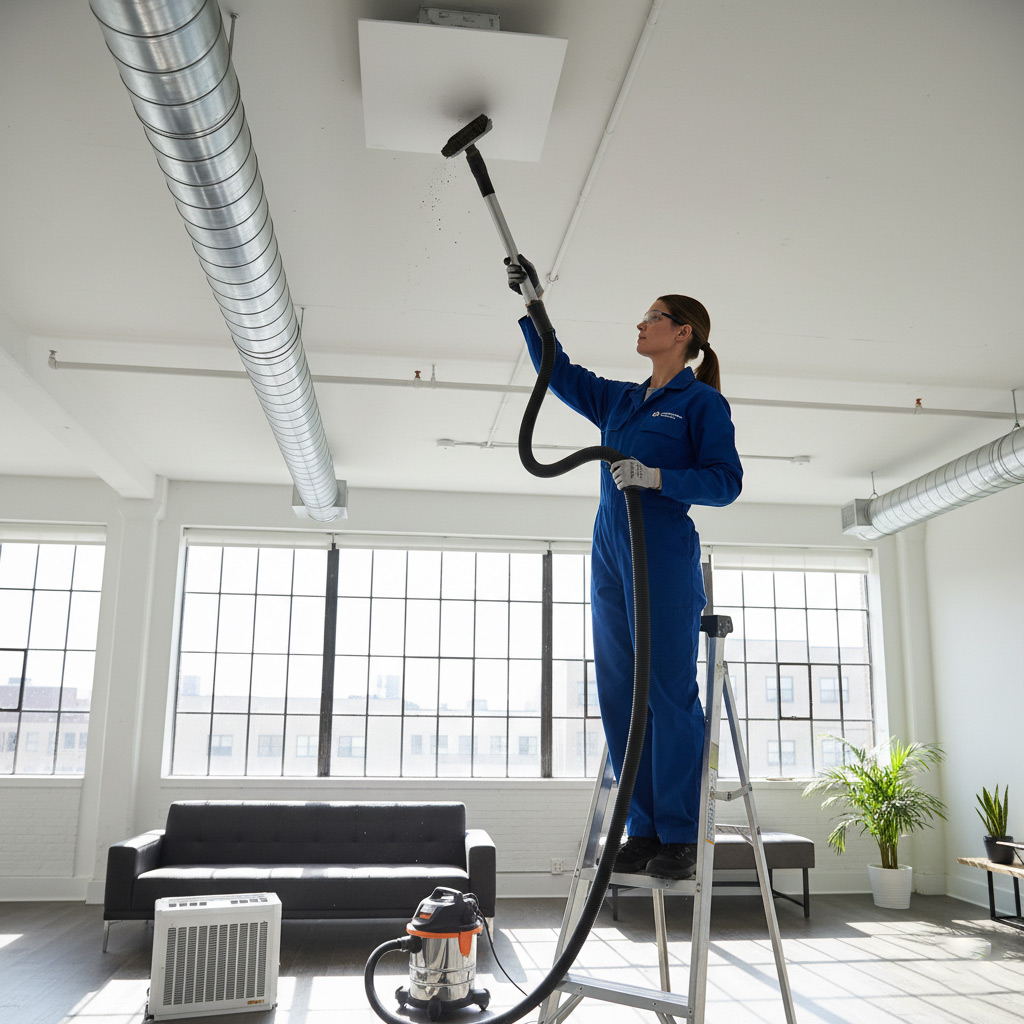
Imagine your thermostat flashing “0” on the hottest day of the year—your old unit just gave up the ghost, and the sweat is already starting to bead on your forehead.
Before you grab the phone and call the first contractor you see, there are a few hidden moves that can keep your wallet from taking a hit and make sure the new system actually fits your home’s quirks.
Stay with me, and I’ll lay out the exact steps you need to run through so you walk into that appointment armed with the right questions and the confidence that you’re getting the best deal possible.
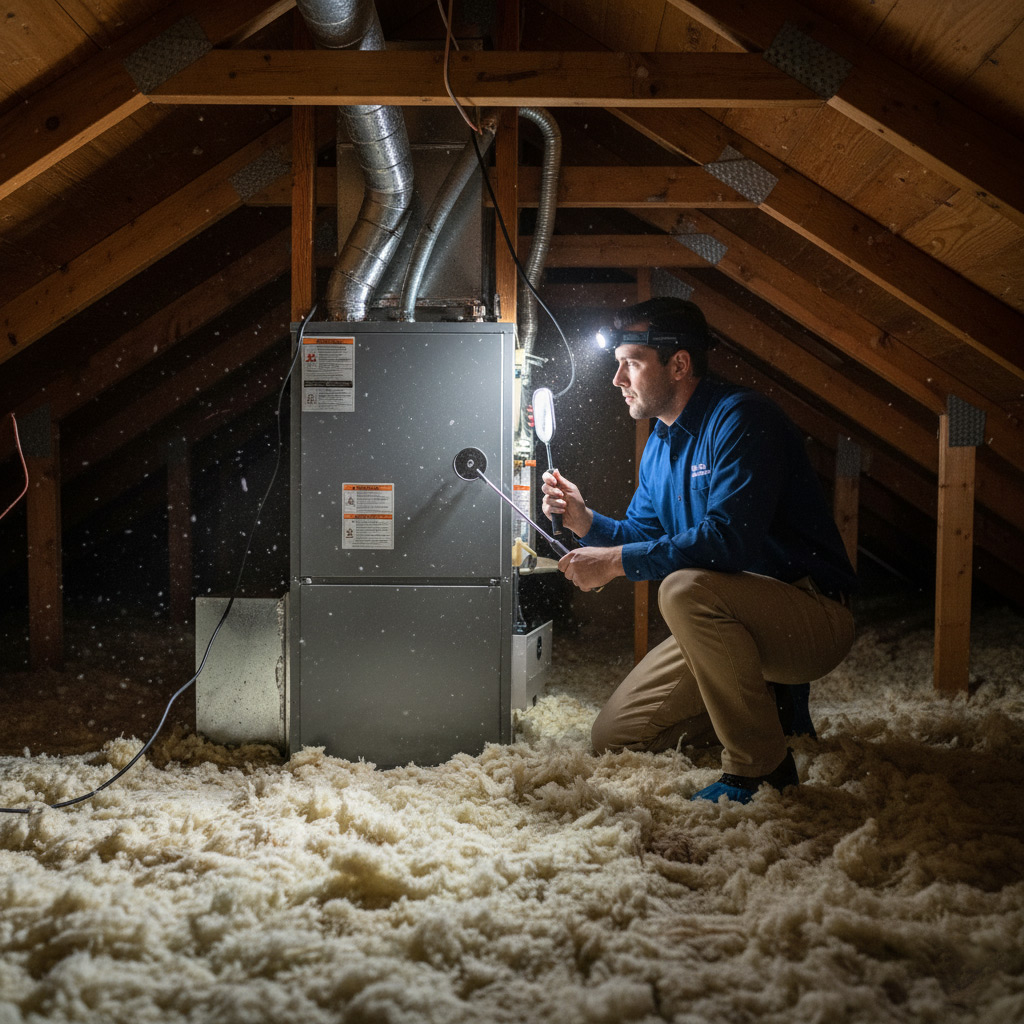
Assess Your Existing HVAC System and Spot Warning Signs
Before you toss out the old unit, take a hard look at what’s actually broken. A quick visual scan can save you from buying a system that’s already past its prime. Knowing the true condition of your current HVAC gives you leverage when you talk price with contractors.
What to Look For
- Strange noises – rattling, squealing, or grinding usually mean a motor or fan is on its last legs.
- Inconsistent temperatures – rooms that feel like a sauna while others stay icy are a tell‑tale sign of airflow problems.
- Frequent cycling – if the unit turns on and off every few minutes, the thermostat or refrigerant charge is likely off.
- Visible wear – rust, cracked coils, or frayed wiring are red flags that repairs will keep piling up.
Don’t forget the paperwork. Pull out the last service invoice and note the date of the most recent tune‑up. If the system is over 10 years old and you’ve only seen a technician once a year, you’re probably staring at a replacement, not a repair. Documenting these details makes it easier to compare quotes later.
Determine the Proper Size and Efficiency Rating for Your Home
Before you hand over a check, you need to know if the new unit will actually cool (or heat) your space without guzzling power. Too big and you’ll waste money; too small and you’ll be left shivering while the thermostat screams for help. The sweet spot is a system that matches your home’s footprint and climate.
Why Size Matters
Think of your HVAC like a pair of shoes—if they’re too tight, you’ll get blisters; if they’re too loose, you’ll trip. The same principle applies to BTU ratings. A properly sized unit runs longer cycles, saves energy, and extends its lifespan.
- Square footage: Rough rule—30‑35 BTUs per square foot, but adjust for ceiling height.
- Sun exposure: South‑facing rooms add heat load; shade cuts it.
- Insulation quality: Leaky walls mean you need more power.
- Number of occupants: More bodies = more heat.
Reading the SEER Sticker
The SEER (Seasonal Energy Efficiency Ratio) number tells you how much cooling you get per watt of electricity. Higher SEER means lower bills, but the price tag climbs too.
- Look for a SEER of 15 or higher for most Florida homes.
- Units with variable‑speed compressors can boost comfort and cut costs.
- Check for ENERGY STAR® certification—it's a quick quality filter.

Explore the Different Types of Replacement Systems (Split, Packaged, Ductless, etc.)
Not every HVAC unit is created equal. Picking the right architecture saves you from future headaches and keeps the energy bill from spiraling.
Split‑System (the classic “outside‑unit + indoor coil” combo)
This is the workhorse most homeowners recognize. One outdoor compressor, one indoor air handler – simple, reliable, and easy to service.
- Best for: homes with existing ductwork that’s in decent shape.
- Pros: Lower upfront cost, wide range of capacity options.
- Cons: Duct leaks can sabotage performance.
Packaged Unit (everything in one box)
All the components live under the roof or on the roof deck. It’s a space‑saver for tight basements or crawl spaces.
- Best for: homes where indoor space is at a premium.
- Pros: One service call, quick installation.
- Cons: Slightly higher price tag, less flexibility for future upgrades.
Ductless Mini‑Split (no ducts, just wall‑mounted heads)
Perfect for additions, older homes, or rooms that never got proper airflow. Each indoor unit runs independently, so you only heat or cool where you need it.
- Best for: homeowners who want zone control without a full‑blown duct system.
- Pros: High SEER ratings, silent operation, easy retrofit.
- Cons: More visible indoor units, may require multiple heads for large homes.
When you line up the options, match the system’s strengths to your house’s quirks. That’s how you avoid paying for features you’ll never use.
Gather Accurate Quotes and Vet Contractor Credentials
Before you sign anything, get at least three written estimates. Side‑by‑side numbers let you spot hidden fees before they become a surprise on your credit card. Treat each quote like a puzzle piece – you’ll see which contractor really gets your home’s needs.
Ask for a Detailed Breakdown
Don’t settle for a flat “$5,000 total.” You deserve a line‑item list that shows equipment cost, labor, permits, and any extra work. This transparency makes it easy to compare apples to apples.
- Equipment model and SEER rating – know exactly what you’re buying.
- Labor hours and hourly rate – no vague “installation fee.”
- Permit fees and disposal charges – these can add up fast.
- Warranty terms – both manufacturer and installer coverage.
Verify Licenses, Insurance, and Reputation
Ask to see a copy of the contractor’s Florida HVAC license and proof of liability insurance. A reputable pro will also have a clean Better Business Bureau rating and glowing reviews on Google or Angi.
Give the license number a quick online check. If the state board shows any disciplinary actions, walk away. The right contractor will be proud to show you the paperwork – it’s a sign they stand behind their work.
Review Financing Options, Rebates, and Local Incentives in Pembroke Pines
Financing Made Simple
Most HVAC dealers in Pembroke Pines partner with banks, credit unions, and specialty lenders to offer 0% APR for 12‑24 months. If you have decent credit, you can lock in a payment plan that looks like a coffee subscription—small, predictable, and painless.
Another route is the dealer’s own in‑house financing, which often includes deferred payments until the first summer heat hits. Ask for the fine print: any hidden fees, early‑pay penalties, or balloon payments that could surprise you later.
Grab the Money Back
Florida still honors the federal Energy Efficient Home Improvement Tax Credit, worth up to 30% of your equipment cost. On top of that, the local utility—Florida Power & Light—runs a seasonal rebate for ENERGY STAR‑rated units.
- Check the City of Pembroke Pines website for a one‑time “Cool Home” grant (usually $500‑$800).
- Ask your contractor to submit the paperwork; they’ve done it dozens of times and can shave weeks off the process.
- Don’t forget manufacturer rebates—some brands throw in a $200 cash back for switching to a high‑efficiency model.
Pro Tips to Maximize Savings
Combine a low‑interest loan with any applicable rebates, then apply the rebate cash toward the loan principal. This reduces the balance you’re actually paying interest on.
Set calendar reminders for rebate deadlines—most expire within 90 days of installation. A quick call to your contractor’s office can confirm the exact cut‑off dates.
Case Study: A Seamless HVAC Replacement Project in a Pembroke Pines Residence
The Situation
When the Martinez family noticed their 12‑year‑old split system sputtering on a sweltering July afternoon, they knew a replacement was coming. Their home, a 2,300‑sq‑ft ranch with a mix of open‑plan living and enclosed bedrooms, demanded a system that could handle both high humidity and sudden temperature spikes.
What We Did
We walked the Martinez through a three‑step process that kept surprises out of the budget.
- Audit the old unit – measured airflow, checked duct integrity, and logged energy spikes.
- Size it right – used Manual J calculations to pinpoint a 3.5‑ton, SEER 16 unit that matched the home’s footprint.
- Picked a local, licensed contractor with a 5‑star rating on Google and proof of NATE certification.
The Result
Installation wrapped up in just two days, and the Martinez saw a 22% drop in their monthly electric bill within the first billing cycle. They also qualified for a $1,200 rebate from the Florida Solar Energy Center, which shaved the upfront cost by nearly a third.
Beyond the numbers, the family now enjoys consistent indoor comfort, even during those sudden Gulf‑coast thunderstorms that used to send their old system into a frenzy. Their story proves that a methodical approach can turn a dreaded replacement into a win‑win.
Final Words
Now that you’ve walked through the whole process, you’re not just another homeowner with a busted AC—you’re a savvy buyer who knows what to ask, what to expect, and how to protect the bottom line.
Quick Checklist Before You Sign
- System size matches your square footage – no over‑ or under‑sized units.
- Contractor holds a valid Florida HVAC license and insurance.
- Quote includes removal, disposal, and a written warranty.
- Financing terms, rebates, or local incentives are clearly spelled out.
When you’re ready to move forward, remember the best deals come from contractors who can back up their promises with real proof—customer reviews, past project photos, and a solid warranty. If you need a fresh set of eyes on a quote or want to compare options, head over to our HVAC Replacement page for more resources and trusted partners in Pembroke Pines.
People Also Ask
How do I know if my current HVAC system needs replacement?
Look for frequent breakdowns, rising energy bills, uneven heating or cooling, and age over 10‑15 years. These warning signs indicate reduced efficiency and potential system failure.
What size HVAC unit is right for my Pembroke Pines home?
A professional load calculation (Manual J) considers square footage, insulation, window orientation, and climate. This ensures the unit is neither oversized nor undersized for optimal comfort and efficiency.
Which type of HVAC system works best in the humid climate of Pembroke Pines?
Split‑system air conditioners with high SEER ratings handle humidity well, while ductless mini‑splits offer flexible zoning for homes without existing ducts. Both options provide reliable cooling and dehumidification.
How can I verify a contractor’s credentials before hiring?
Check for proper licensing, insurance, and certifications such as NATE. Read online reviews, request references, and confirm the contractor is a member of reputable industry associations.
Are there local rebates or financing programs for HVAC replacement in Pembroke Pines?
Yes, many utility companies and the Florida Solar Energy Center offer rebates for high‑efficiency units. Additionally, several lenders provide low‑interest financing and seasonal promotions.
Pembroke Pines HVAC brings over a decade of certified HVAC expertise to homes and businesses throughout Pembroke Pines, FL. Their team combines thorough training with local knowledge to deliver efficient heating, cooling, and ventilation solutions. Committed to responsive service, they prioritize comfort and energy efficiency for the community.
Need HVAC?
Fast, reliable heating and cooling solutions for homes and businesses in Pembroke Pines, FL (33024, 33026, 33027, 33028) and nearby areas. We diagnose, repair, and install systems so you stay comfortable year‑round, often completing service appointments the same day.
Request HVAC Quote