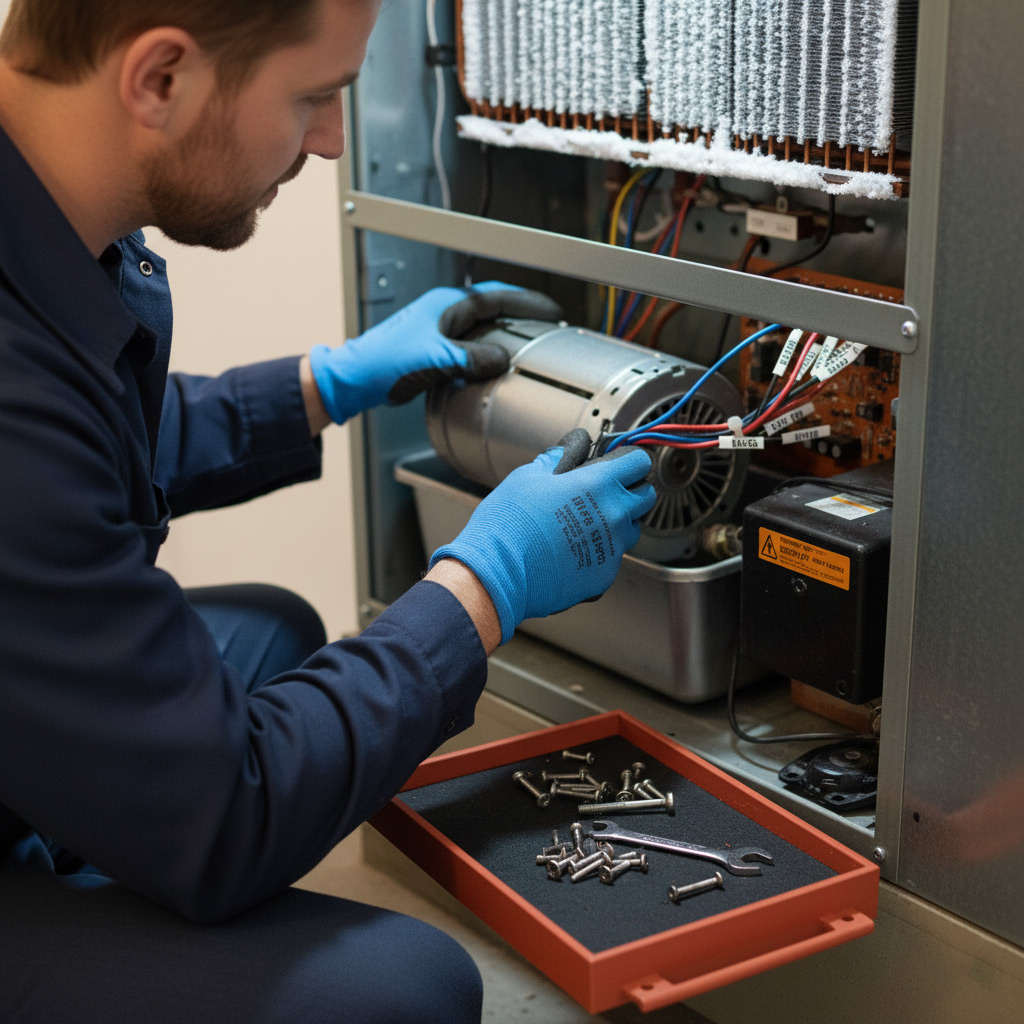
If you think a quick spray of air freshener can hide a sputtering furnace, you’re in for a rude awakening. The heat in Pembroke Pines doesn’t care about shortcuts, and neither does your wallet.
Most homeowners fall into the same traps: skipping filter changes, ignoring the little “click” that signals a clogged coil, or trusting a DIY fix that only makes the problem worse. Those habits turn a simple service call into a costly emergency.
Living in a city where summer feels like a furnace and winter can surprise you with a cold snap, your HVAC system needs more than a once‑a‑year glance. It deserves the kind of attention that keeps it running smooth when the mercury climbs.
Now that you’ve seen the pitfalls, let’s uncover the exact steps that will keep your system humming all year long.
Common HVAC Maintenance Mistakes in Pembroke Pines
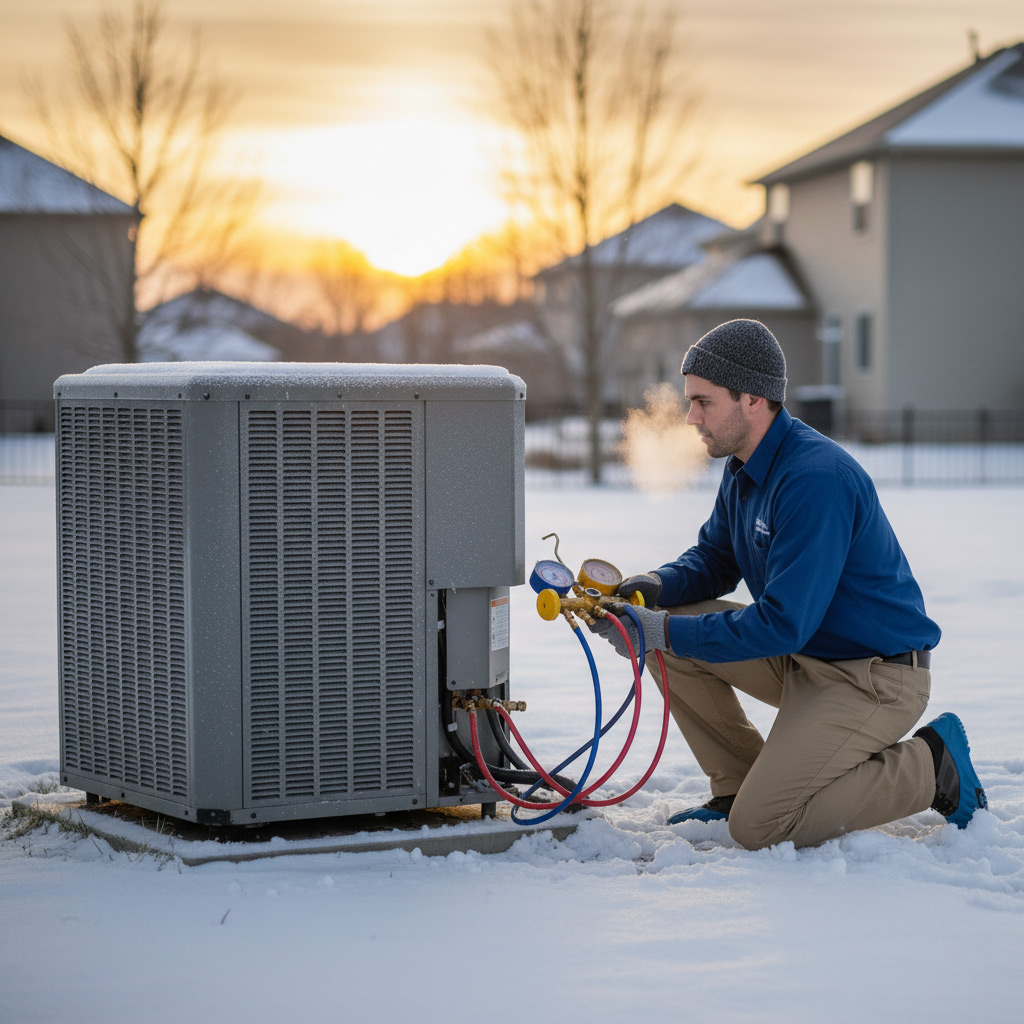
Homeowners in Pembroke Pines often think “set it and forget it” works for their HVAC. The reality is a system that runs on autopilot will soon start coughing, sputtering, and demanding a pricey repair. Skipping the seasonal tune‑up is the number one mistake, because the humid summer and occasional cold snap in South Florida push the equipment harder than you realize.
What’s going wrong?
- Neglecting filter swaps – a clogged filter forces the blower to work overtime, raising energy bills and shortening motor life.
- Leaving the outdoor unit covered with debris – leaves, sand, and pollen act like a blanket, choking airflow and causing the compressor to overheat.
- Trusting the “click” on the thermostat as a green light – that click often means the coil is dirty, not that the system is ready to run.
Another common slip is relying on “quick fixes” from YouTube. A DIY refrigerant top‑off or a makeshift belt replacement may get the unit humming for a day, but it usually ends with a leak or a busted motor. Professional inspection catches these hidden issues before they explode into a $2,000 emergency call.
The Hidden Costs of Skipping Regular Filter Changes
Why a Dirty Filter Isn’t Just a Nuisance
When you let a filter sit for months, the airflow slows to a crawl. The furnace works harder, burning extra fuel and spiking your utility bill. That extra strain also shortens the life of the blower motor—a repair that can run into the hundreds.
Hidden Money Drains
Think you’re saving a few bucks by skipping the $15 filter? Think again. Below is what you actually lose:
- Higher energy consumption: up to 15% more each month.
- Premature wear on coils and fans: replacement costs $800‑$1,200.
- Potential system shutdown during a heat wave: emergency service fees $250‑$500.
What Happens Inside the Unit
Dust builds up on the evaporator coil, turning it into a heat‑absorbing blanket. The refrigerant can’t release heat efficiently, so the compressor runs longer. Long‑run compressor wear is the silent killer of HVAC systems, and it’s not covered by most warranties.
Ignoring Coil Cleanliness: Why That “Click” Matters
What the “click” really means
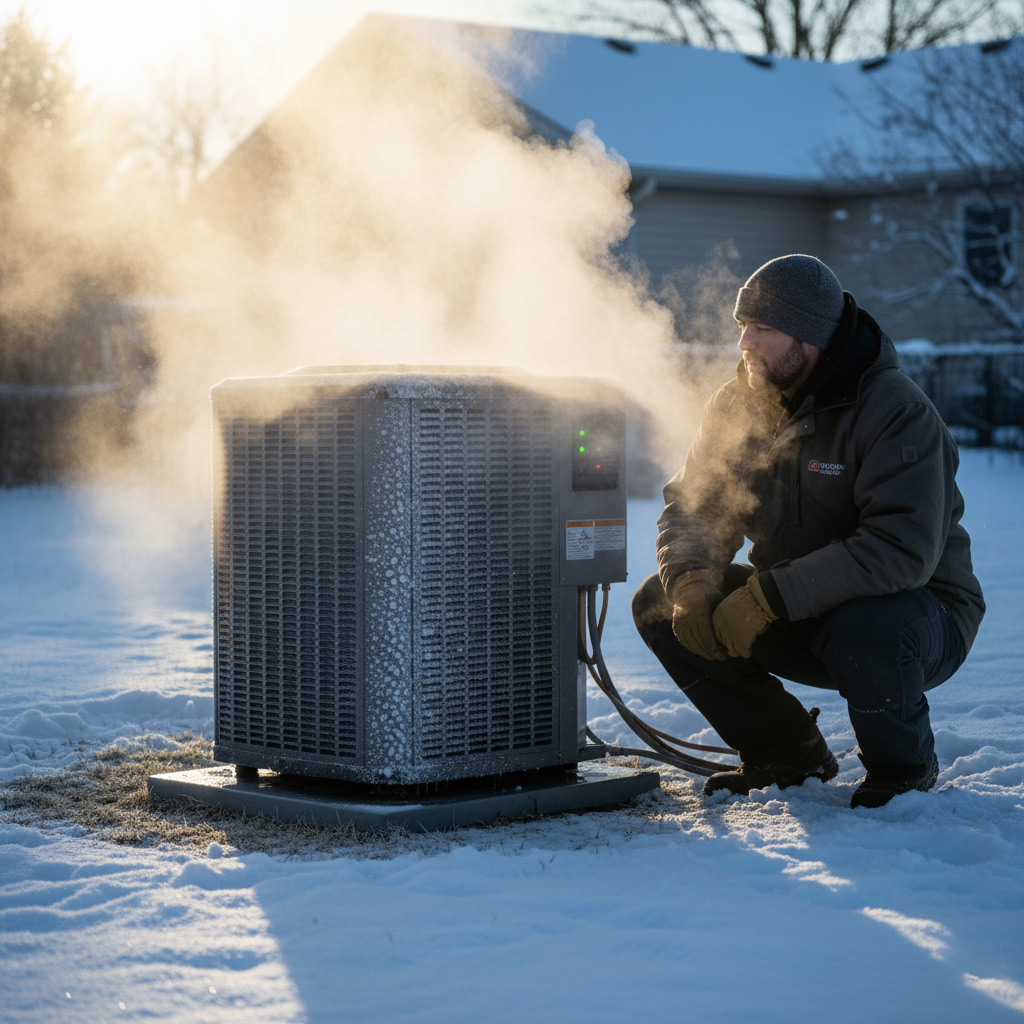
When you hear that faint click as the blower kicks on, it’s not just a sound—it's a warning sign. A dirty evaporator coil forces the fan to work harder, creating extra resistance that produces the click. That extra strain = higher electric bills and a shorter lifespan for the whole unit.
Consequences you’ll feel in your wallet
Dust and grime act like a blanket over the coil, reducing heat exchange efficiency by up to 30%. The result? Your AC runs longer, your thermostat stays stubbornly high, and you’re paying for every wasted minute.
- Increased energy consumption
- Frequent short‑cycling
- Premature compressor wear
Simple steps to keep the coil happy
Don’t wait for a professional to rescue you. Grab a soft brush and a vacuum with a HEPA filter, then:
- Turn off power to the unit.
- Remove the access panel.
- Gently brush away debris, then vacuum the fins.
Finish with a light mist of coil cleaner—no harsh chemicals. Clean coils = quiet clicks, lower bills, and a system that lasts.
DIY Fixes That Do More Harm Than Good
Common DIY Traps
Grabbing a wrench because the thermostat won’t talk back is a classic mistake. Without proper calibration, you can throw the whole system out of balance, forcing the compressor to work overtime.
Another risky move is spraying “cleaning” chemicals into the coil. The fumes corrode fins, and the pressure drop can cause the unit to freeze up. One spray, months of repair.
Why “Quick Fixes” Backfire
When you replace a belt with a generic one, you might save a few bucks, but the wrong tension can shred the motor within weeks. The cost of a new motor dwarfs the price of a professional service.
And don’t think a DIY refrigerant top‑off is harmless. Adding the wrong type or amount can trigger a dangerous pressure spike, leading to leaks or even a system explosion. Leave refrigerant to the pros.
Safer Alternatives
- Schedule a certified technician for coil cleaning – they use low‑pressure tools that protect the fins.
- Use the manufacturer‑approved filter size and replace it every 30‑45 days.
- Call a licensed pro for any refrigerant work; it’s a legal requirement in Florida.
Seasonal Maintenance Checklist for Pembroke Pines Homeowners
When the sun starts to scorch or the cold sneaks in, your HVAC system should be ready to roll. Follow this simple, season‑by‑season cheat sheet and you’ll dodge the surprise breakdowns that keep neighbors up at night.
Spring (March‑May)
Time to shake off the winter dust and give the system a fresh start.
- Replace or clean filters – a clogged filter makes the fan work harder.
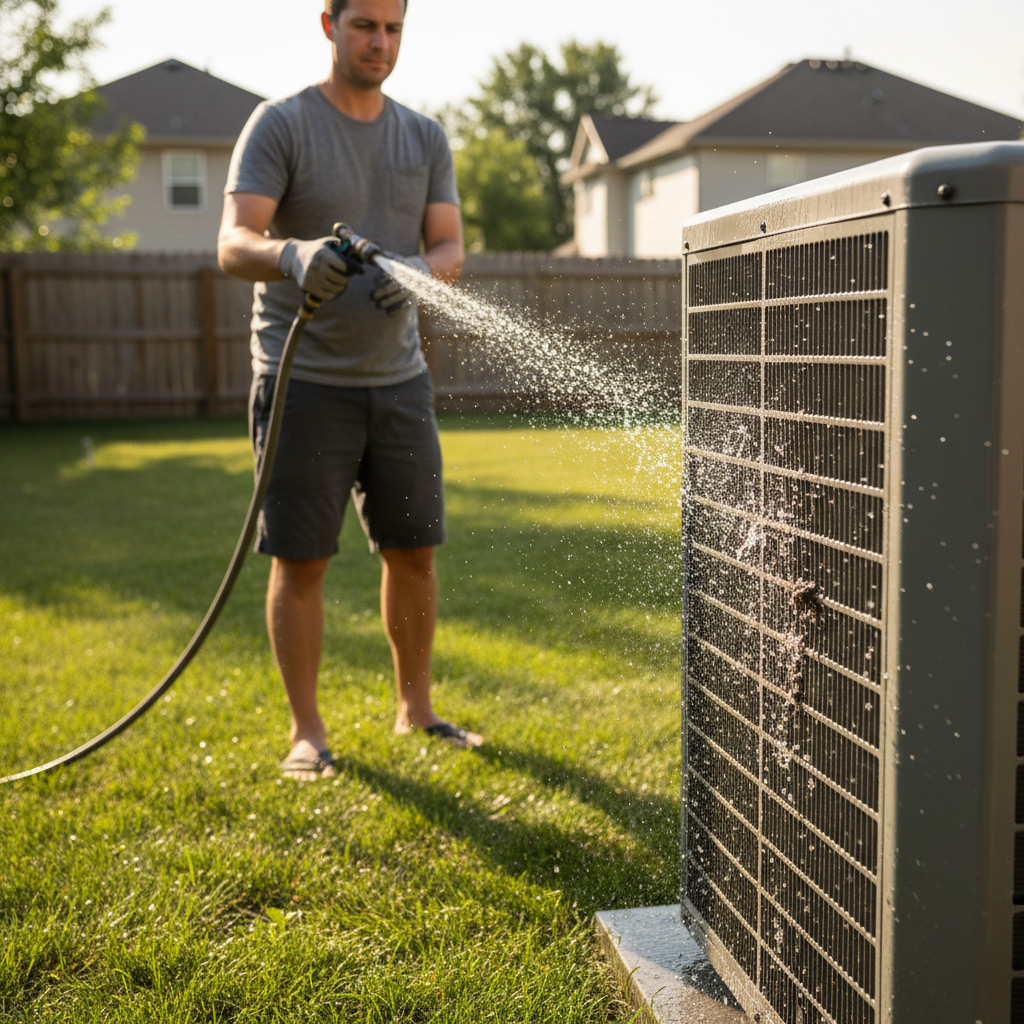
- Inspect the outdoor condenser for leaves, bugs, or debris; a quick hose‑down does wonders.
- Check the thermostat calibration; set it to “auto” for smoother transitions.
- Run a short “test cycle” to verify warm and cool air flow.
Summer (June‑August)
Heat in Pembroke Pines can feel like a furnace, so keep the cool side humming.
- Clean the evaporator coil; a dirty coil is the silent thief of efficiency.
- Verify the condensate drain isn’t clogged – a backed‑up line can cause water damage.
- Schedule a professional refrigerant level check; low charge = higher bills.
- Seal any leaky ducts with foil tape; every ounce of conditioned air counts.
Fall (September‑November)
Cooler nights mean it’s time to prep for the next heating season.
- Swap the filter again; fall pollen can sneak in even after summer ends.
- Inspect the furnace burners for soot buildup; a clean burn means safer heat.
- Test the safety limit switch; it’s the watchdog that prevents overheating.
- Lubricate motor bearings if they’re noisy – quiet operation = longer life.
Winter (December‑February)
When the cold snaps hit, you want reliable heat without a frantic call‑out.
- Run the furnace for a few minutes each day to keep components moving.
- Check the heat exchanger for cracks; a visual inspection can catch problems early.
- Ensure the outdoor unit is clear of snow or ice; a simple brush can prevent strain.
- Set the thermostat a few degrees lower at night; comfort stays, costs drop.
Case Study: How Proper Maintenance Saved a Pembroke Pines Family $3,200
The Situation
When the Martinez family noticed their furnace sputtering on a chilly January night, they called a “quick fix” tech. The technician replaced a thermostat and told them to “just keep an eye on it.” Within weeks the unit shut down completely, leaving the kids shivering and the electric bill soaring.
What We Did Differently
Our crew arrived, ran a full diagnostic, and discovered three hidden problems that the “quick fix” missed:
- Clogged air filter that had been ignored for over a year.
- Dirty evaporator coil that was restricting airflow.
- Worn-out blower motor bearings that needed lubrication.
Instead of a band‑aid, we performed a comprehensive service:
- Replaced the filter with a high‑efficiency model.
- Cleaned the coil using a low‑pressure spray.
- Lubricated the motor and tightened all connections.
The Payoff
After the service, the furnace ran at peak efficiency. The family’s energy bill dropped by 22% in the next two months, translating to roughly $1,800 saved. Because the system didn’t break down during the summer heat wave, they avoided an emergency repair that would have cost about $1,400. In total, proper maintenance kept $3,200 in their pocket and gave them peace of mind for the whole year.
Final Words
Think of your HVAC system as a high‑performance car. You wouldn’t skip oil changes and expect it to win a race. The same rule applies in Pembroke Pines—regular check‑ups keep the unit humming when the sun blazes or the cold snaps hit.
Three quick actions you can take today
- Set a calendar reminder for filter swaps—every 30 days in summer, every 60 days in winter.
- Schedule a professional coil inspection before the season changes; a clean coil saves up to 15 % on energy bills.
- Keep a maintenance log on your fridge door. Note dates, parts replaced, and service calls.
When you’re ready to lock in those habits, reach out to a certified tech who knows the quirks of local humidity and heat. A solid partnership with an HVAC Maintenance specialist means fewer surprise breakdowns and more predictable comfort—all without draining your wallet.
People Also Ask
What are the most common HVAC maintenance mistakes homeowners make in Pembroke Pines?
Many skip regular filter changes, neglect coil cleaning, and attempt DIY repairs without proper knowledge. These oversights can reduce efficiency and cause costly breakdowns.How much can skipping filter changes cost a homeowner in Pembroke Pines?
A clogged filter forces the system to work harder, raising energy bills by up to 15% and accelerating wear on components. Over time, this can lead to premature part failure and expensive repairs.Why is coil cleanliness important for my HVAC system?
Dirty coils restrict airflow and heat transfer, causing the unit to overheat and trigger safety shut‑offs. Maintaining clean coils preserves performance and extends the lifespan of the equipment.Can DIY HVAC fixes cause more damage than professional service?
Yes—incorrect wiring, improper refrigerant handling, or using the wrong tools can damage components and void warranties. Professional technicians have the training and tools to diagnose and fix issues safely.What should be on a seasonal HVAC maintenance checklist for Pembroke Pines homeowners?
Check and replace filters, clean evaporator and condenser coils, inspect ductwork for leaks, test thermostat accuracy, and schedule a professional tune‑up before peak cooling or heating seasons. This routine helps maintain efficiency and prevents unexpected breakdowns.
Pembroke Pines HVAC brings over 15 years of certified HVAC expertise to homes and businesses throughout Pembroke Pines, FL. Their team of licensed technicians delivers reliable heating, cooling, and indoor air quality solutions tailored to the local climate. Committed to prompt, professional service, they prioritize comfort and energy efficiency for the community.
Need HVAC?
Fast, reliable heating and cooling solutions for homes and businesses in Pembroke Pines, FL (33024, 33026, 33027, 33028) and nearby areas. We diagnose, repair, and install systems so you stay comfortable year‑round, often completing service appointments the same day.
Request HVAC Quote